
Dr. Nicolae Leca, M.D.
Nephrology, UW Medical Center – Montlake
By Seattle Mag August 5, 2025

This article originally appeared in the July/August 2025 issue of Seattle magazine.
Every year, we ask a few of Seattle’s Top Doctors to share what inspires them to practice medicine, the advice they give most often, and what they think the future holds for healthcare. These interviews are part of Seattle magazine’s annual Top Doctors feature, created in partnership with Castle Connolly. None of the doctors paid to be included — all are nominated by their peers.
What inspired you to become a doctor?
Being a doctor is not just a profession. It’s a calling fueled by relentless dedication and purpose. I feel profoundly grateful to walk this path every day, driven by a deep love of science, the excitement of research discovery and a steadfast commitment to patient care. It is an ongoing journey that continues to inspire and drive me.
What’s one thing about being a doctor that most people misunderstand?
Being a doctor goes far beyond diagnosing and treating. It’s a deeply human role that involves carrying emotional burdens; supporting patients, families and even colleagues; and balancing empathy with clear judgment. Doctors must stay composed under pressure, sometimes placing others’ needs above their own. This profound human connection is why doctors won’t — and hopefully never will — be replaced by machines.
What’s something in medicine you believe will be totally different in 10 years?
I’m excited about the growing role of artificial intelligence in medicine, helping us make quicker, more accurate decisions with fewer errors. Over the next decade, I expect significant advancements in this area. My hope is that the efficiency AI brings will free up more time for what matters most — deepening the human connection between doctors and patients.
Have you ever had a patient diagnose themselves correctly?
Transplantation is a highly specialized field that often involves managing multiple complex conditions. While many patients worry about rejection, it’s rarely the primary issue — in fact, recognizing when something feels off and seeking timely medical help is often more important than a perfect diagnosis. Online tools can raise awareness and guide patients to seek care, which is progress in many cases, though it can sometimes lead to unnecessary concern or misinformation.
What’s one myth about health or medicine that you wish would go away?
One myth about transplant rejection I wish would disappear is the belief that it’s always sudden and obvious. In reality, rejection is often subtle, gradual and even silent, detectable mainly through routine monitoring rather than symptoms. This misconception may lead patients to overlook small changes in medications or skip doses and follow-ups, particularly when feeling well. Thankfully, through research we’ve achieved significant advancements in new technologies for earlier detection of rejection and organ injury.
What’s the most unusual case you’ve ever encountered?
In kidney transplantation, I’m deeply moved by the selflessness of non-directed donors: individuals who offer a kidney not to a family member or close friend, but to a complete stranger in need. Their generosity is truly humbling, and witnessing such acts of kindness reaffirms the incredible capacity for compassion in people. These donors are true angels, and their selfless gift is a profound reminder of the goodness that exists in humanity.
If you could change one thing about the healthcare system, what would it be?
The quick answer to improving the health care system is enhancing access to care, affordability and reducing disparities. However, a more impactful approach lies in prevention through early interventions at the community level. By focusing on education and building infrastructure, we can foster socioeconomic development in underserved communities, addressing health issues before they escalate and ultimately improving long-term health outcomes.
Follow Us
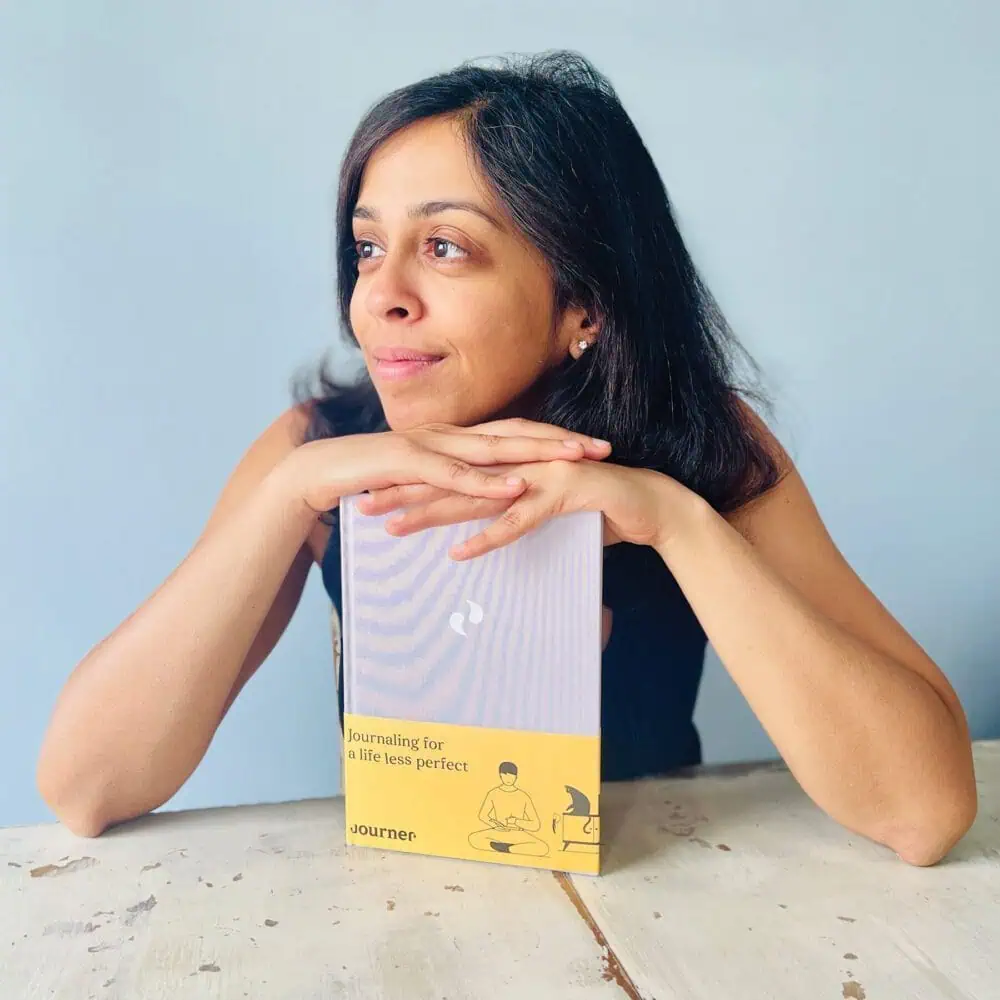
Journal Journey
A local creator turns her journaling practice into a tool for clarity and calm.
After 14 years of working in the tech industry, Sunetra Deshpande felt burned out, so she turned to journaling to streamline her thoughts. “It helped me refocus, find clarity, and manage my mental health,” she says. “What surprised me was how difficult and intimidating journaling can be for many of us who don’t identify as…

Tough Stuff
Why we should teach boys it’s okay to be sad.
I was 13 years old when my father died. It happened on a school night, and I remember my mom waking me up along with my younger brother and sister. “He’s gone,” she said, bringing us out of our bedrooms. The news was back-breakingly sad. It was not, however, sudden. My father, whom we all…

Heartbeat: The Full Curve of Friendship
Maintaining a lifelong connection requires commitment and discipline
You have to live a long time to see the full curve of friendship. A while ago, we used to have a thing called a Rolodex or an address book. Remember those? You had a compendium of addresses and phone numbers of most people you knew, but maybe you put that antique way of remembering…

Ten Years Loud
Shout Your Abortion, which began in Seattle, marks a decade with a celebration at Washington Hall.
Three words on social media changed the conversation. In 2015, after Congress voted to suspend funding for Planned Parenthood, Seattleite Amelia Bonow posted with gratitude about her abortion on Facebook. Writer Lindy West amplified the post on Twitter with the hashtag #ShoutYourAbortion, encouraging people to share their own experiences—without shame, secrecy, or apology. The hashtag…