
Going Out of My Gourd With Curiosity
What’s a gourd and why does Washington state have a society dedicated to it?
 By Sarah Stackhouse November 30, 2024
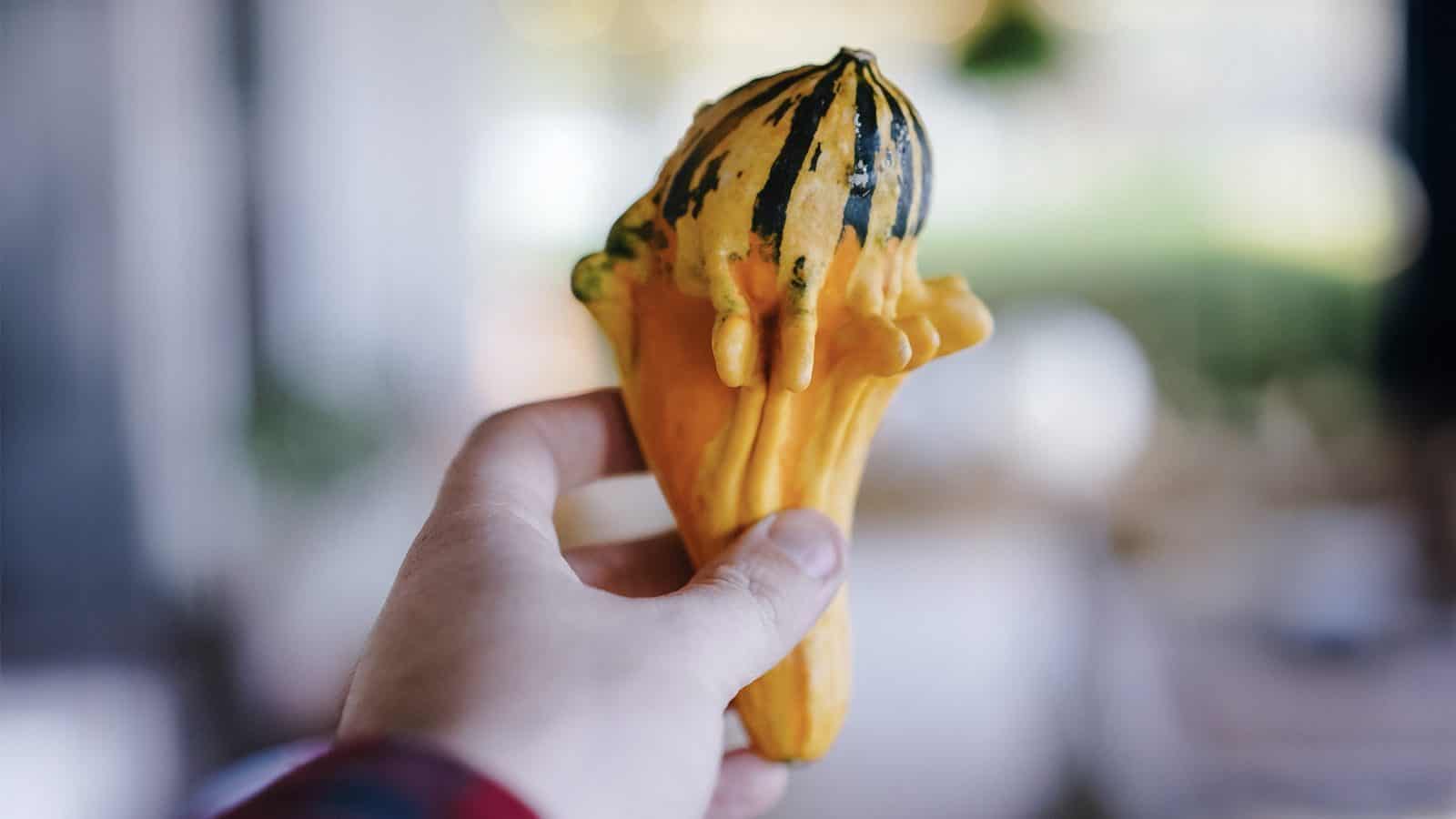
You know what I’m talking about — the strange, bumpy things you see every fall. They’re piled high at all the stores, squatting on front porches, or sitting in a bowl your friend insists is “autumnal.” But seriously, what is a gourd? Why do we keep buying these things? Why are they so beautiful and interesting? And more importantly, who’s out there growing them?
Let’s start with the basics: a gourd is a hard-shelled plant in the Cucurbitaceae family — the same one that includes pumpkins, cucumbers, zucchini, and even watermelon. Unlike its edible relatives, though, a gourd is mostly grown for decoration. They aren’t destined for the dinner table. They’re like the moody artist cousin of the pumpkin.
Why do gourds look so weird?
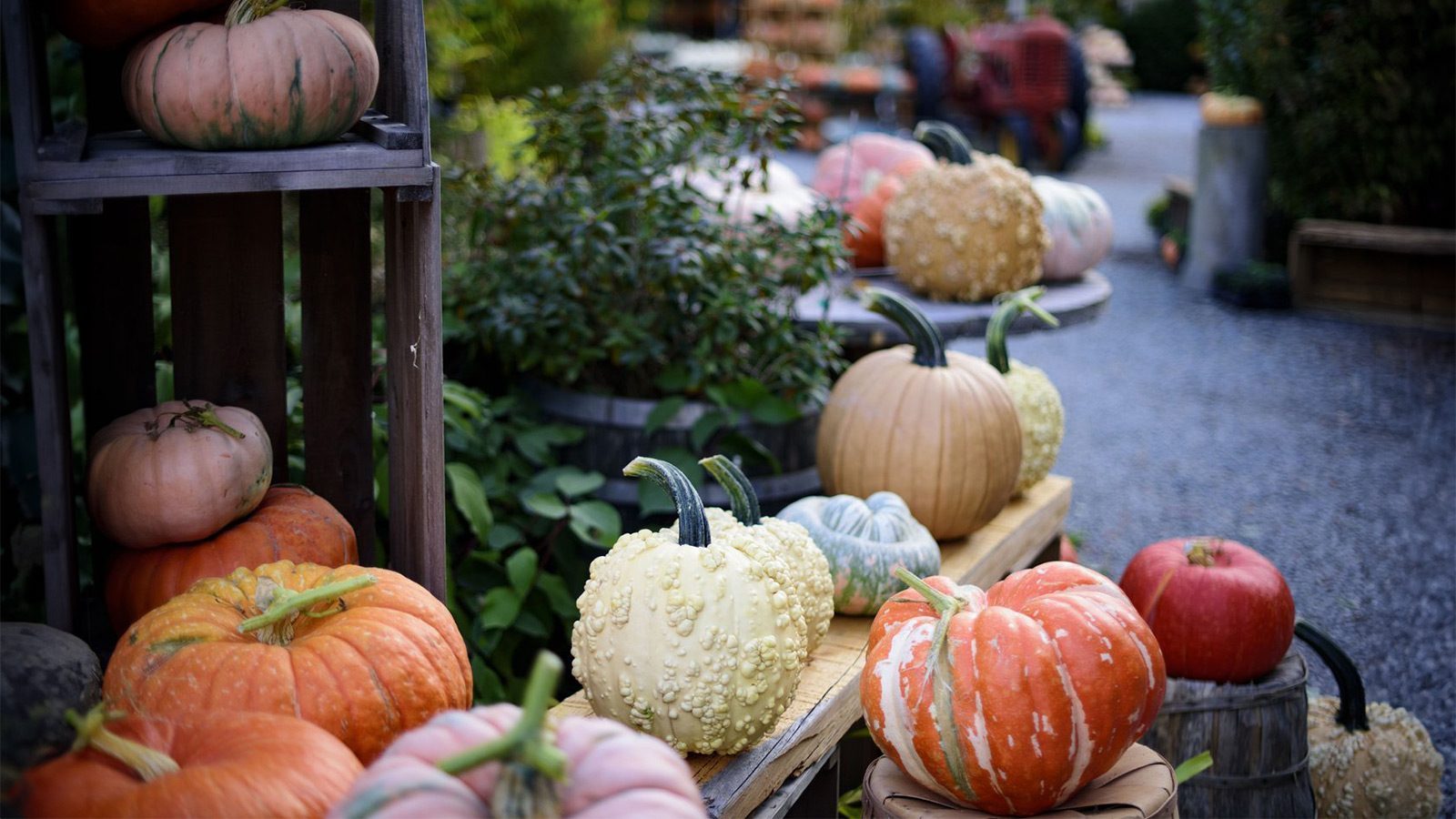
All those lumps, bumps, and twisted shapes? That’s just the way they grow. When farmers grow gourds, they’re not after symmetry. The stranger, the better. People want their gourds to look like nature’s little abstract art pieces. Think about it: If gourds were smooth and normal-looking, would we care about them? Probably not.
Who grows these things?
Turns out, there are farms dedicated to producing gourds. Places like Jubilee Farm in Carnation grow them on purpose. Gordon Skagit Farms in Skagit Valley is another local farm where you can grab some strange and colorful gourds.
If you’re curious to grow your own (or just want to learn more), the University of Washington has a handy guide on growing ornamental gourds. They recommend planting them after the last frost and giving them plenty of space to sprawl out. Gourds need about 100 to 180 days to fully mature, depending on the type, so this is a long-term commitment. And for a little extra trick: You can control the shape a bit by turning them every so often as they grow.
Who’s behind Washington’s gourd scene?
If you’re wondering whether there’s a deeper culture behind these kooky little plants, there absolutely is. There’s the Washington State Gourd Society, an entire organization dedicated to gourds. They host annual festivals, workshops, and even competitions where people show off their beautiful gourd art. The society is divided into regional groups called “patches,” and they meet regularly. Our local groups, like the Mineral Gem Patch (Mount Rainier), Foothills Patch (South Puget Sound), and North Sound Gourd Patch are just a few.
On a national level, there’s the American Gourd Society, a nonprofit organization founded in 1937 that provides resources for gourd growers, artists, and crafters all across the U.S. The AGS runs gourd competitions, offers tutorials on crafting with gourds, and even publishes The Gourd Magazine, a quarterly journal that gets into everything from growing tips to intricate gourd art techniques.
What do we do with them?
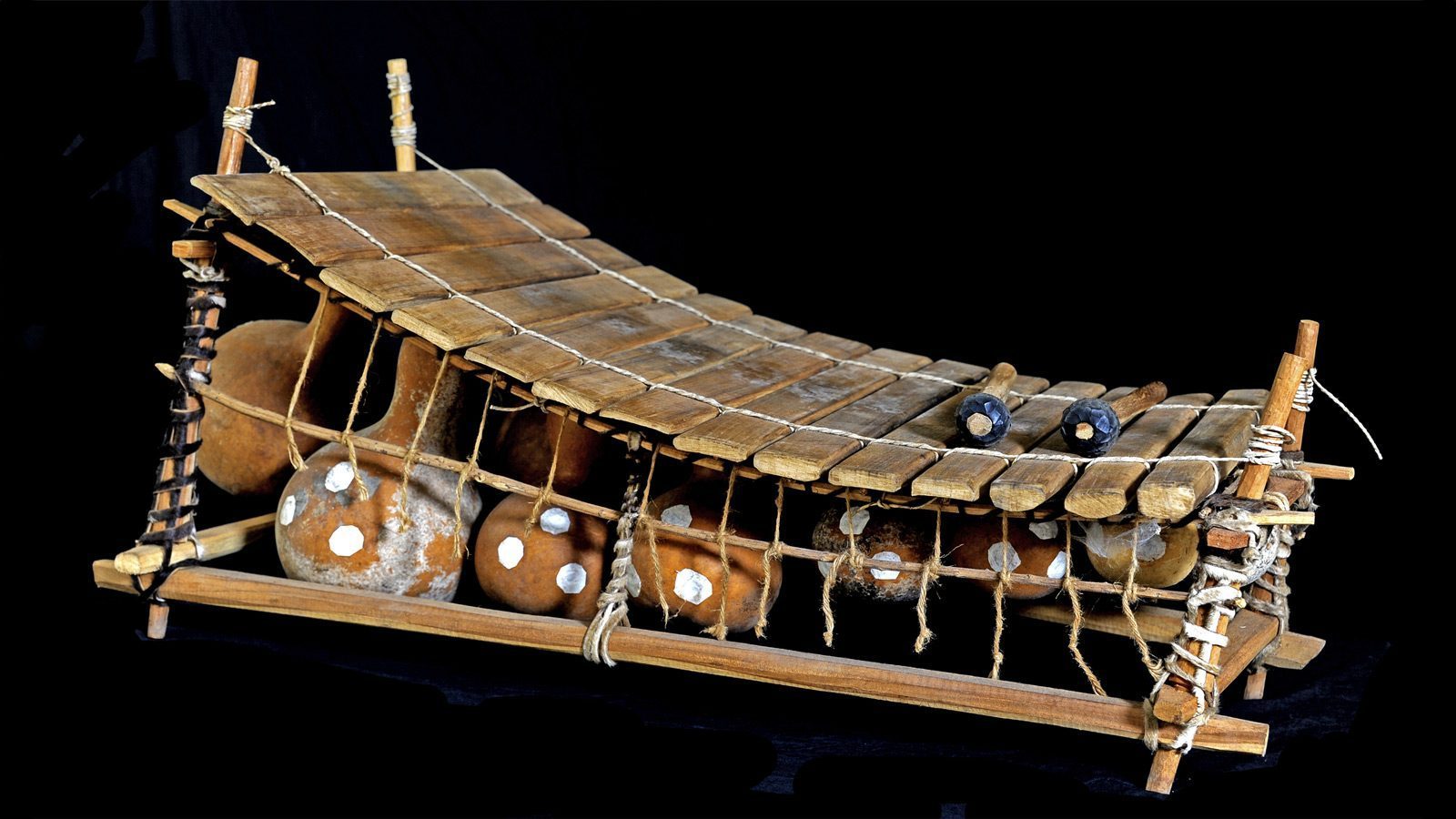
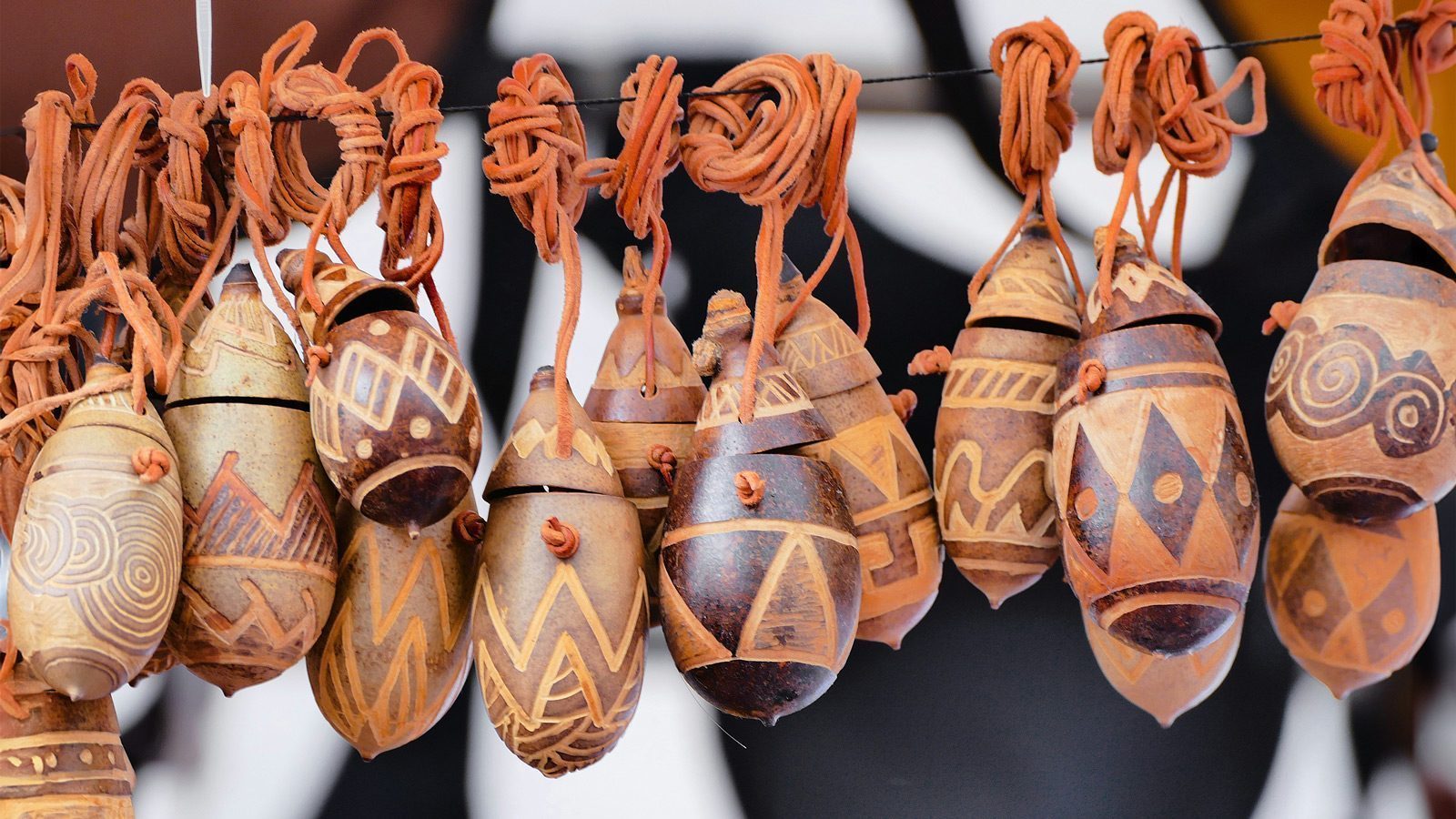
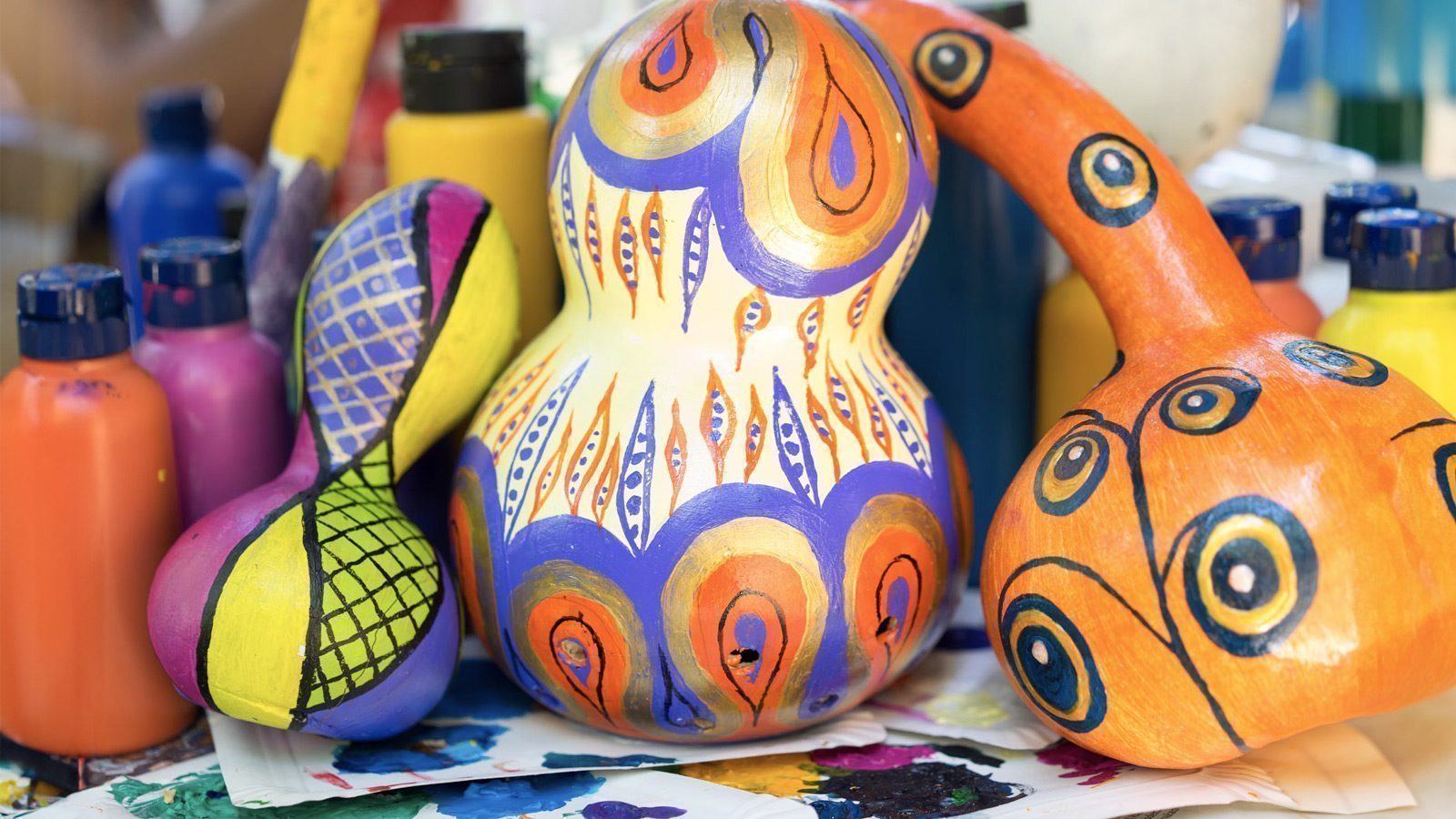
Historically, gourds have been multi-purpose powerhouses — people use them for everything from bowls and utensils to musical instruments. We carve, burn, paint, and weave gourds into everything from bowls to sculptures. Almost every culture has musical instruments made of gourds! In West Africa, they’re used to make the balafon, a xylophone-like instrument where hollowed-out gourds amplify the sound. There’s also the Mbira, or kalimba, a thumb piano made from a gourd with metal tines attached. Players pluck the tines with their thumbs to create soft, melodic tones.
The conclusion?
Gourds aren’t just some accidental byproduct of the squash family — they’re grown on purpose. While they’ve served many roles throughout history, today they’re great at making a basic house look festive. Sometimes we just need a weird, warty plant to remind us that not everything has to make sense to be wonderful.
Follow Us
Collaborating Cultures
Looking to build a home to welcome family and friends, one Kirkland couple turns to a sister to design a modern house with influences from the wife’s Thai heritage.
For many years, when homeowners planned to build or remodel, architects and designers advised them to think first and foremost about resale value. From the number of bedrooms to the materials, appliances, and finishes in the kitchens and bathrooms, homes were often treated solely as an investment, with an eye to future sales. In recent…
Whale Of A Remodel
The transformation of an Orcas Island home takes advantage of remarkable views
For many years, Apollo 8 astronaut Bill Anders entertained his Orcas Island neighbors with breathtaking acrobatics in his vintage airplane. Anders and his wife, Valerie, had purchased a five-acre compound on the isolated western edge of the island for its mesmerizing view, a subject he knew something about. As a member of the first human…
Underground Overhaul
Going low solves couple's woes
The Seattle underground is alive and well and living in Montlake, a close-knit community in more ways than one. Dense suburban charm is what lures many families to Montlake. Dense suburban charm is also what forces many families to leave Montlake. “The lots here are very small, with setback and height restrictions,” says architectural designer…
Not Flown, Grown: The Slow Flowers Movement is Having A Moment
New book — The Flower Farmers — promotes the use of locally grown, seasonal, and sustainably harvested flowers
A few years ago, Debra Prinzing — speaker, podcast host, outdoor living expert, and founder of Slow Flowers — and her business partner, Robin Avni, pitched an idea to an editor at Abrams Books. The editor passed, but quickly came back with another offer. They didn’t have to think twice about it. Prinzing had extensive…