
Bat Signal Seattle
Bats are out this summer, and so are the community scientists tracking them
 By Sarah Stackhouse July 10, 2025
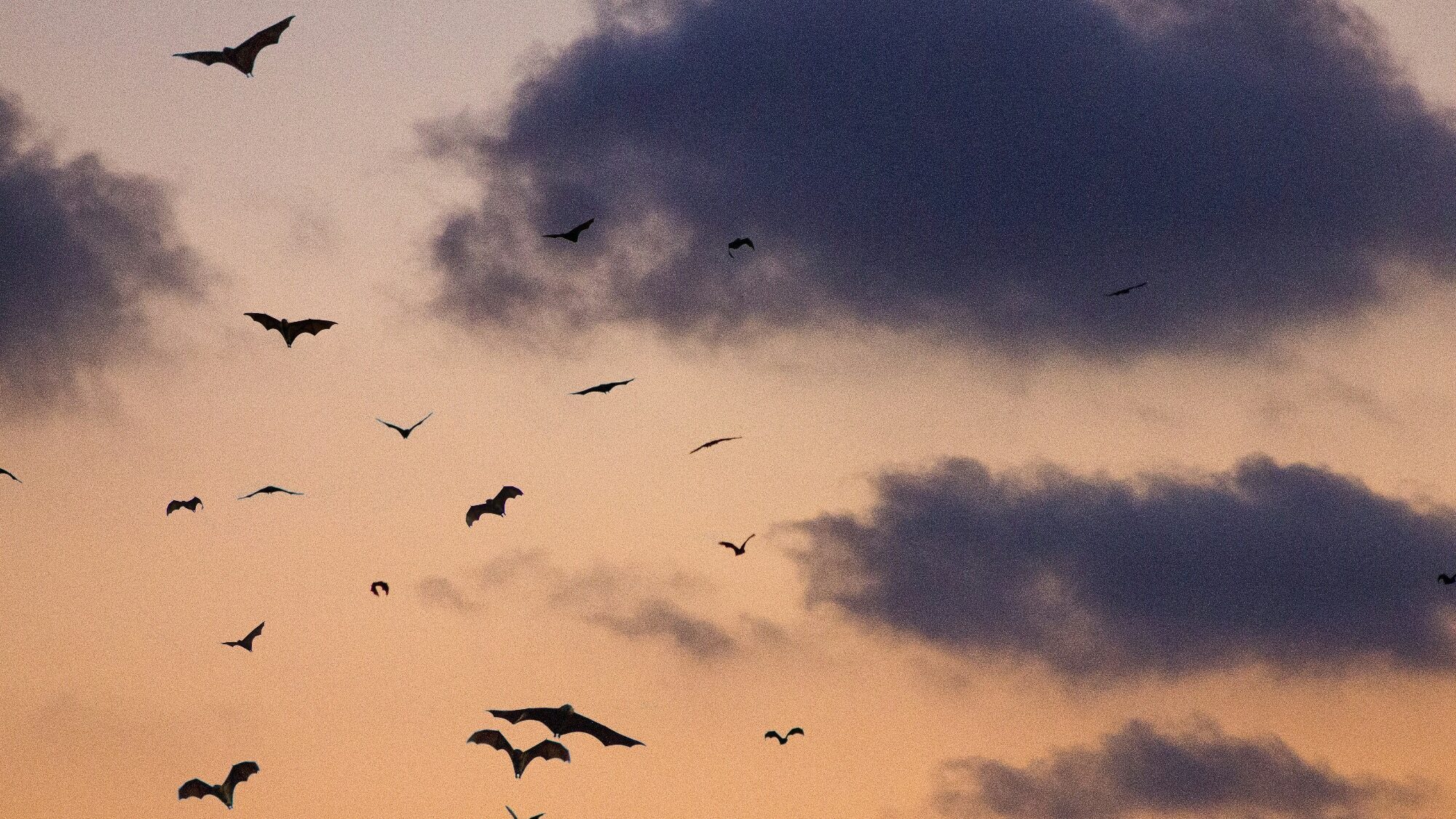
By mid-July, most Seattleites have clocked the summer clichés: backyard rosé, panic-buying box fans, and chatting with strangers in the grocery store about how nice it is. But here’s something better: bats.
Washington is home to 14 species, 10 of which live in western Washington. They’re tiny, nocturnal insectivores that eat thousands of bugs a night — natural pest control that’s easy to miss unless you’re looking. They’re most active in the summer months, especially from June through August, when warm evenings draw them out to hunt. And lately, they’ve been in trouble.
Bat populations are declining across the U.S. due to habitat loss, climate change, wind turbine collisions and light pollution. Since 2016, Washington has also been grappling with white-nose syndrome, a deadly fungal disease that has already killed millions of bats nationwide. Scientists are still trying to understand how it spreads and what can be done.
Bats are critical to ecosystems across the globe — pollinating plants, controlling pests, dispersing seeds — and local declines can ripple outward. Data collected in the Pacific Northwest feeds into a larger network of research tracking the species’ survival across North America.
That’s where Woodland Park Zoo’s Bat Activity Trends (BAT) program comes in. It helps researchers monitor local bat behavior, build year-to-year comparisons, and raise awareness about conservation threats.
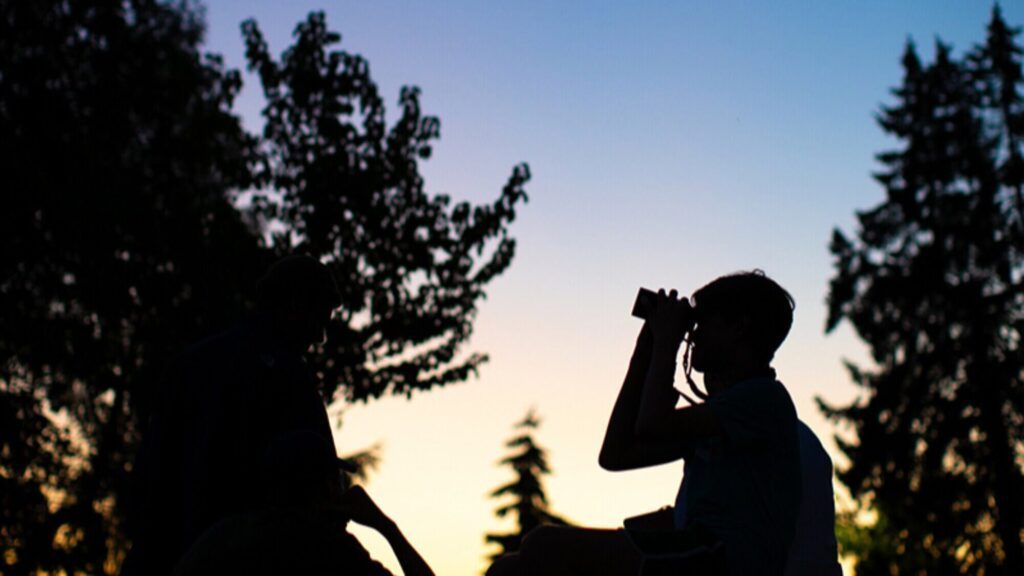
The zoo is hosting BAT events through September. These include every-other-Wednesday walks at Seward Park Audubon Center and Green Lake Bat Talks with Bats Northwest every-other-Thursday. There is also a Bats on the Farm night at Kelsey Creek Farm in August and a Schafer State Park outing on July 12. Events are timed to sunset and loosely structured around the whims of bat activity and weather. Most events are free, but a few require registration.
You can also log observations from home using your phone or computer, and there’s kid-friendly info to help families get involved.
Seattle has a strong tradition of community-powered science. From counting bees and birds to tracking marine life. And in a way, we’re built for it. The city holds 6,000 acres of parks and more than 200 miles of shoreline. We also rank first among the 25 largest U.S. cities for having the most wilderness within a 100-mile radius — 3.6 million acres. The BAT program is one more way to help scientists understand what’s happening in our region.
In the big picture, these kinds of local efforts can add up to real conservation progress. If more cities did what Seattle is doing by turning public interest into community science, we’d be in a better position to protect not just bats, but the ecosystems that depend on them. That includes our own.
Follow Us

Locked In
Two new immersive games bring cinematic puzzles and buzzer battles to Seattle’s growing escape room scene.
On a rainy afternoon in Whistler, B.C. this summer, I finally caved and tried my first escape room. After two straight days of soggy hikes and muddy bike rides, my kids were done with the great outdoors. So we ducked into an escape room called “Buried Cabin,” where a fake avalanche had sealed us inside….

The Pulse: Under the October Moon
Pumpkin stout, Mariners love, and the return of The Blob
That moon this week was something else, wasn’t it? You can feel the season turning, and I love how everyone’s talking about the Mariners. If you’ve been out during a game, it’s the best—the way a bar erupts mid-conversation with cheering and clapping, and then everyone just goes right back to talking. Fall feels good…
The Pulse: Grounds for Change
Sue Bird on stage, Starbucks in retreat.
Fall is officially here, but are we feeling it yet? It’s certainly getting colder. Maybe you’re shutting the windows at night or noticing all the pumpkins at the grocery stores. Some of us are pulling out scarves, others are clinging to late-summer light. I guess the question is, are you Team Fall or Team Endless…
Shaping Our Future Together
Showing up for Seattle matters more than ever.
Seattle’s recovery looks promising, but progress is fragile. Sustaining and strengthening it will take commitment from leaders, businesses, and us: the people that call this region home. The more we show up now—supporting our neighborhoods, businesses, and the people who bring them to life—the more we’ll benefit from the thriving, beautiful city we call home. We…