
Publisher’s Note: Can Our Architecture Make Us Better?
Seattle's built environment reveals a lot about the city
 By Jonathan Sposato March 4, 2023

This article originally appeared in the March/April 2023 issue of Seattle magazine.
With this issue’s focus on iconic Seattle architecture, we continue to drive awareness of the fact that Seattle is a world-class city, even if we ourselves may not know it yet. It’s been said that architecture stands as a representation of how we see ourselves, of how we see the world.
At its most practical, architecture as a discipline teaches people to design houses, buildings, or parks by reconciling technique, process, materials, and aesthetics. At its most aspirational, architecture narrates the stories of a particular people of a particular place, and strives to advance that narrative far into the future, proclaiming to the world a way to make our environs forever beautiful or useful.
It is even believed that great architecture “hard codes” a certain quality of life, drives economic prosperity, and creates happiness.
If all that is true, what then do we make of Seattle’s most iconic buildings? What do these buildings say about us? And to what extent have they fulfilled on creating a better quality of life for us all? And first of all, what are Seattle’s most iconic buildings? We’re delighted to present the most significant and important architectural works in our region. Most were chosen not because of their obvious impact on our local community or even their beauty, but because of their significant influence on the specific architectural movement of their times. Our previous issue highlighted the most influential people in Seattle. Think of this as Seattle’s most influential architectural works.
For example, did you know that several jaw-droppingly beautiful Frank Lloyd Wright houses are in Normandy Park? How about the scattering of stunning Ellsworth Storey homes in the Mount Baker and Capitol Hill neighborhoods? As Rachel Gallaher writes in the wonderful “Pride in Place” piece, cover subject and Seattle native George Suyama has had an outsized influence on much of what we know as modern day Seattle. He has become a national icon celebrated for successfully fusing the aesthetic of the earliest Case Study Houses (experiments in American residential architecture) with influences from his ancestral Japan, and the climate, light, and geology unique to the Pacific Northwest.
And we celebrate the newer generation of Seattle’s finest architects as well. Contemporaries such as Susan Jones, L. Jane Hastings, Jim Graham, and Eric Cobb bring new ideas that embrace the social and cultural contexts surrounding each project.
As housing affordability continues to impact demographic distribution and heighten economic divides, this generation may unlock some out-of-the-box answers.
And, of course, we make space for the counterpoint here as well. Cultural pundit John Jacobsen pens a biting critique of Seattle’s architectural failures, stating that at times “it feels like we’re living and working in the Fast Food Buildings of the computer game SimCity.” Perhaps that’s a fair point. But one thing we are in absolute agreement about is that creating beautiful cities takes partnerships. It takes thoughtful debate between investors, developers, architects, review boards, and most important, the people who are going to be living and working in those spaces.
As Jacobsen eloquently argues, when function and cost alone become the driving forces to what we build, then we might as well live in a SimCity. And we both agree we can always do much better. It takes just as much effort to build something ugly as something gorgeous. So, read on, enjoy the tactile effect of the great photography and words on these pages, and join our debate.
Jonathan Sposato
Owner, publisher
Seattle magazine/Seattle Business magazine
@jonathansposato
About Publisher’s Notebook
Publisher's Notebook is Seattle magazine owner Jonathan Sposato's highly subjective perspective on the issues that confront our community the most. Jonathan's mission with the publication is to focus our attention on solutions, and to change the conversation in Seattle to an always hopeful, positive, and productive place.

Follow Us
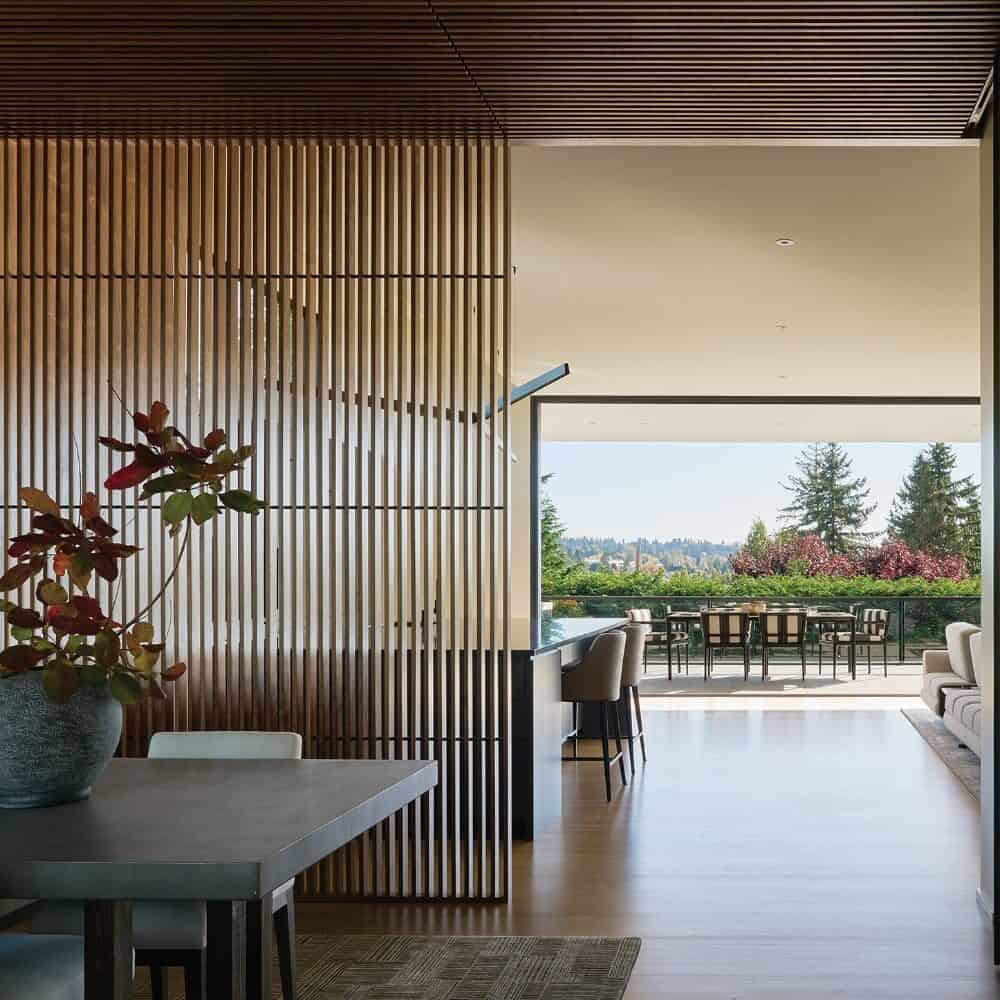
Collaborating Cultures
Looking to build a home to welcome family and friends, one Kirkland couple turns to a sister to design a modern house with influences from the wife’s Thai heritage.
For many years, when homeowners planned to build or remodel, architects and designers advised them to think first and foremost about resale value. From the number of bedrooms to the materials, appliances, and finishes in the kitchens and bathrooms, homes were often treated solely as an investment, with an eye to future sales. In recent…
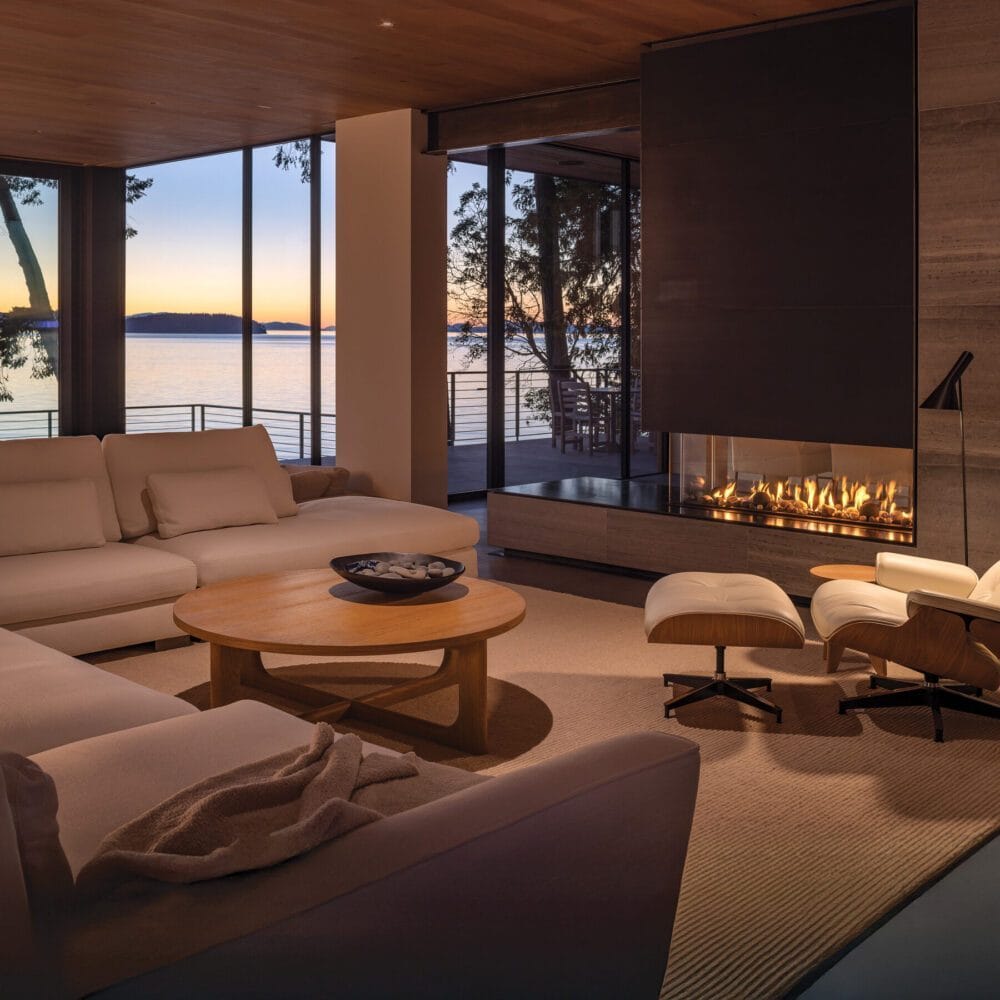
Whale Of A Remodel
The transformation of an Orcas Island home takes advantage of remarkable views
For many years, Apollo 8 astronaut Bill Anders entertained his Orcas Island neighbors with breathtaking acrobatics in his vintage airplane. Anders and his wife, Valerie, had purchased a five-acre compound on the isolated western edge of the island for its mesmerizing view, a subject he knew something about. As a member of the first human…
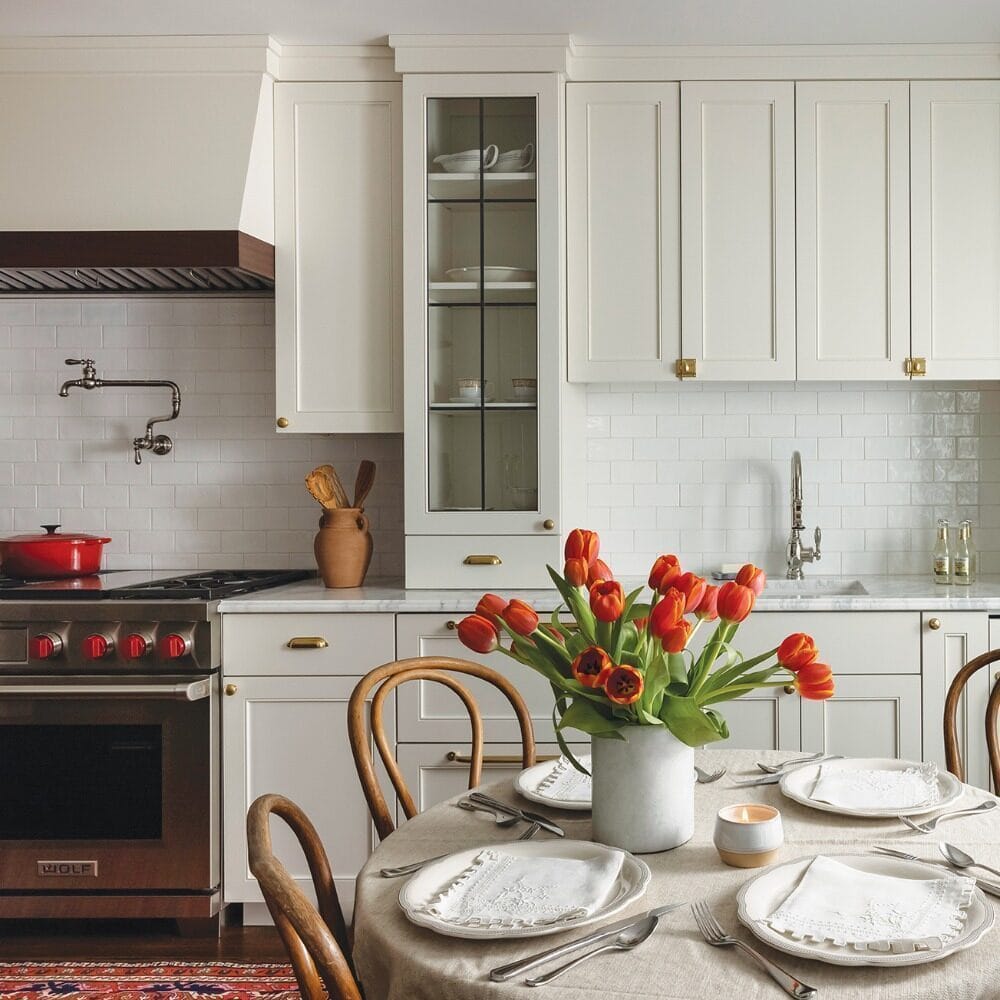
Underground Overhaul
Going low solves couple's woes
The Seattle underground is alive and well and living in Montlake, a close-knit community in more ways than one. Dense suburban charm is what lures many families to Montlake. Dense suburban charm is also what forces many families to leave Montlake. “The lots here are very small, with setback and height restrictions,” says architectural designer…
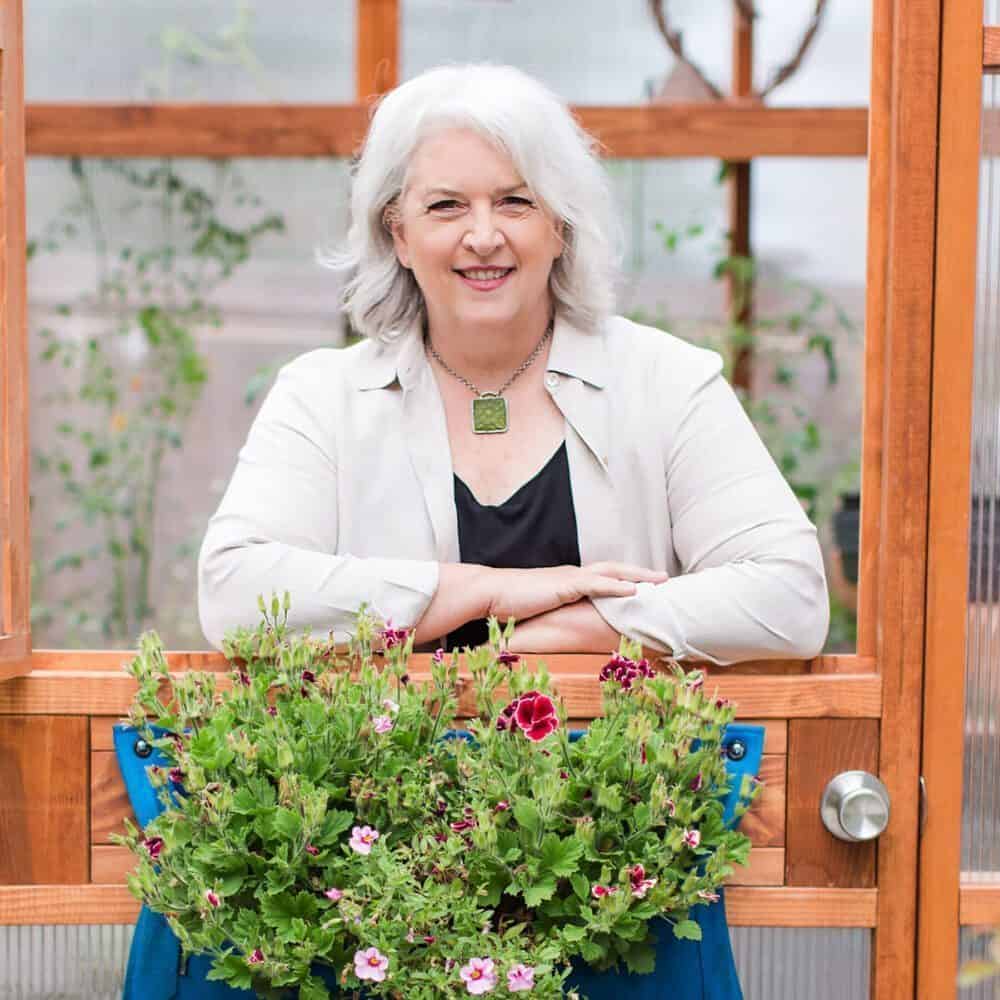
Not Flown, Grown: The Slow Flowers Movement is Having A Moment
New book — The Flower Farmers — promotes the use of locally grown, seasonal, and sustainably harvested flowers
A few years ago, Debra Prinzing — speaker, podcast host, outdoor living expert, and founder of Slow Flowers — and her business partner, Robin Avni, pitched an idea to an editor at Abrams Books. The editor passed, but quickly came back with another offer. They didn’t have to think twice about it. Prinzing had extensive…