
Seattle Garden Trends: What’s In and What’s Out
Take outgrown habits to the compost heap and refresh your garden with a new approach.
By Seattle Mag July 13, 2011

This article originally appeared in the August 2011 issue of Seattle magazine.
Seattle gardens and yards tend to hit the dried-out doldrums in August, so it’s a good time to kick back with a glass of cool lemonade (garnished with homegrown mint, naturally) and think about how to refresh your approach to planting. Here’s a look at what’s new—and what’s past its bloom—according to local gardeners, along with some help to get you started down a new garden path.
Out: The Neglected Lawn
Seattleites don’t like to waste water. And we shun herbicides and pesticides. Yet we hang on to our grass. So in winter, our lawns are puddled and patchy with moss, and in summer, they’re weedy and brown.
In: Rain Gardens
Rain gardens—heavily mulched garden depressions planted with water-loving species—can slow and purify the flow of stormwater. They’re a great idea, but they need a good chunk of space at least 10 feet from the house. Lawn, we’re looking at you. Rain gardens are built to handle Seattle’s three-season rains, and local plant nurseries can help you choose plants that are also adapted to our short-term summer drought. That’s why this waterwise garden style has claimed converts, despite glitches in bigger, city-run rain garden projects. “You’ve got much more flexibility in a home rain garden,” says Sally-Anne Sadler, whose Seattle business, Shooting Star Gardens, specializes in installing rain and native gardens. Sadler says the unique ecosystem of a rain garden, with its different levels, opens up a new palette of plants—particularly natives—for gardeners to use that wouldn’t work in a regular perennial bed. They can also help with drainage problems around your house, such as water that pools on lawns or seeps into basements.
How to: Stewardship Partners offers free rain garden workshops: stewardshippartners.org/raingarden_central.html.; The City of Seattle offers tips on its RainWise website: seattle.gov (search “rainwise”).
Local rain garden businesses: Shooting Star Gardens: shootingstargardens.com; Seattle Rain Garden: seattleraingarden.com
Out: Northwest Tropicana
Recent local winters have been severe, killing off some of the strappy phormiums, succulent hebes and colorful cannas that once felt like a daring alternative to English cottage perennials and more conventional shrubbery like rhododendrons and camellias. The weather has left gardeners wary of replanting with what might turn out to be one-season plants. “We’ve all had some reality checks,” says Siebe.
In: Natural Natives
“People are trying to do the right thing” by planting more native species and hardier plants, Siebe says. Natives are well adapted to our climate (if properly situated in your garden, meaning shade plants in the shade, dry plants in dry areas) and usually need little supplementary water. Once established, groundcovers like beach strawberry or Oregon grape prettify a dry space and need no babying. They also tend to provide good habitat for birds and other local wildlife. If you still yearn for some Malibu in your Northwest yard, try natives with vivid blooms such as orange honeysuckle vine (pictured below) and clumping grasses like Dewey’s sedge. Or try resilient tropicals: Easton says many hardy succulents (such as sedums) are more popular than ever. “Drought tolerant, low to no maintenance, tough and handsome—surely these are modern plants for 21st-century gardening,” she says. 
Native plant nurseries:
Pipers Creek Nursery: piperscreeknursery.com; Swansons Nursery: swansonsnursery.com; MsK Rare and Native Plant Nursery (in Shoreline): msknursery.com; Colvos Creek Nursery at the Country Store (on Vashon Island): colvoscreeknursery.com
Out: Separate But Equal
The population of urban gardeners continues to expand, with many backyard farmers building raised beds specifically to grow produce in rows, like crops. The downside is that when the crops are harvested, you’re left with a big box of dirt—not to mention the fact that not everyone has the yard space for separate raised beds.
In: Peas, Meet Peonies Seattle’s edible plant fever shows no sign of breaking—but it’s changing. “Growing your own vegetables and edibles has more than doubled in popularity in the last five years,” says Brad Siebe, general manager at Swansons Nursery in Crown Hill, where customers can’t get enough of the nursery’s vegetable starts and seeds. But what’s new is where the plants are taking root. The latest trend is to plant your edibles right in with your ornamental plants. “Gardeners are blurring the lines,” says Siebe. He uses bright lettuce varieties, like Red Sails, and rainbow chard as border plants among his nonedibles. Valerie Easton, a garden columnist for The Seattle Times and author, most recently, of The New Low-Maintenance Garden, says this variation of the trend is spurred on by “multitasking plants” such as blueberries and strawberries; herbs like rosemary and sage; and plants with nice structure, such as artichokes. All can work in a mixed garden, as long as you plant them in a spot with good soil and enough sun and water.
How to: Classes and websites that teach organic gardening to urbanites are as rampant as zucchini. Try these: Seattle Tilth: seattletilth.org; Washington State University Extension Master Gardeners: gardening.wsu.edu; Swansons Nursery: swansonsnursery.com
Follow Us
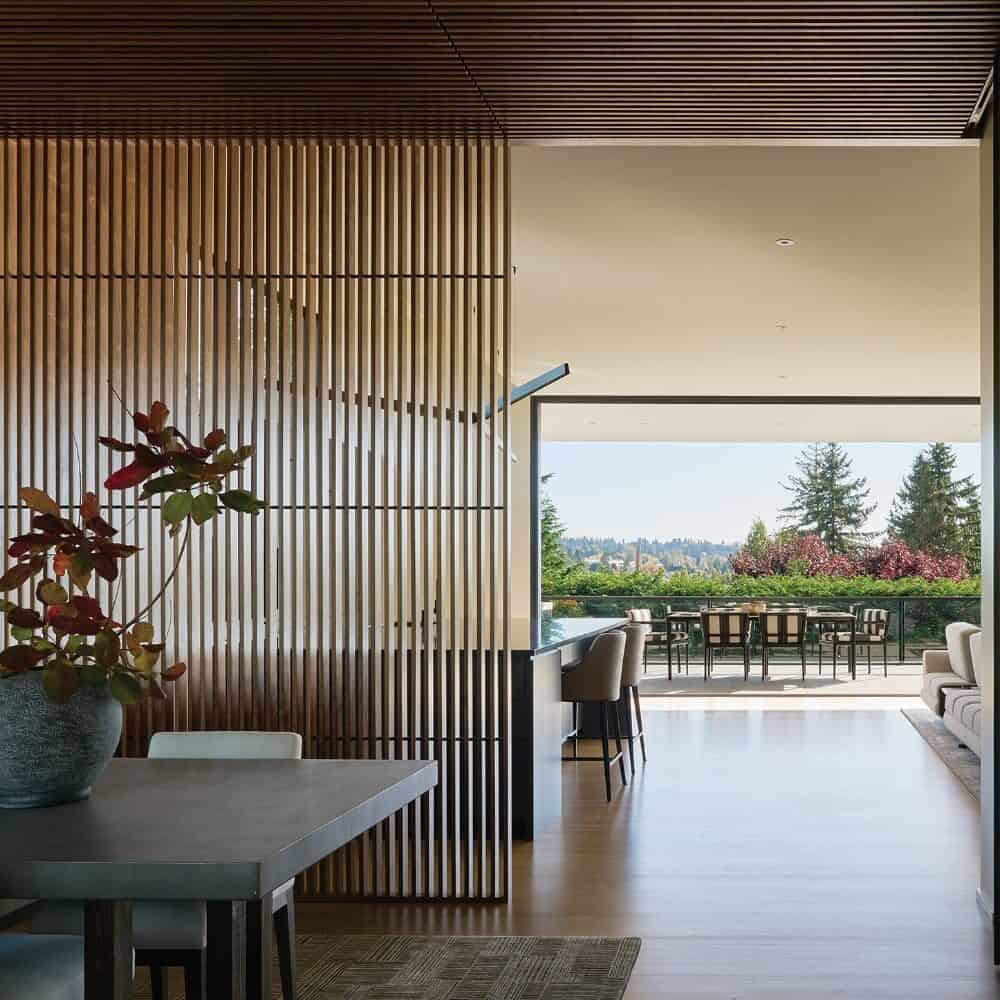
Collaborating Cultures
Looking to build a home to welcome family and friends, one Kirkland couple turns to a sister to design a modern house with influences from the wife’s Thai heritage.
For many years, when homeowners planned to build or remodel, architects and designers advised them to think first and foremost about resale value. From the number of bedrooms to the materials, appliances, and finishes in the kitchens and bathrooms, homes were often treated solely as an investment, with an eye to future sales. In recent…
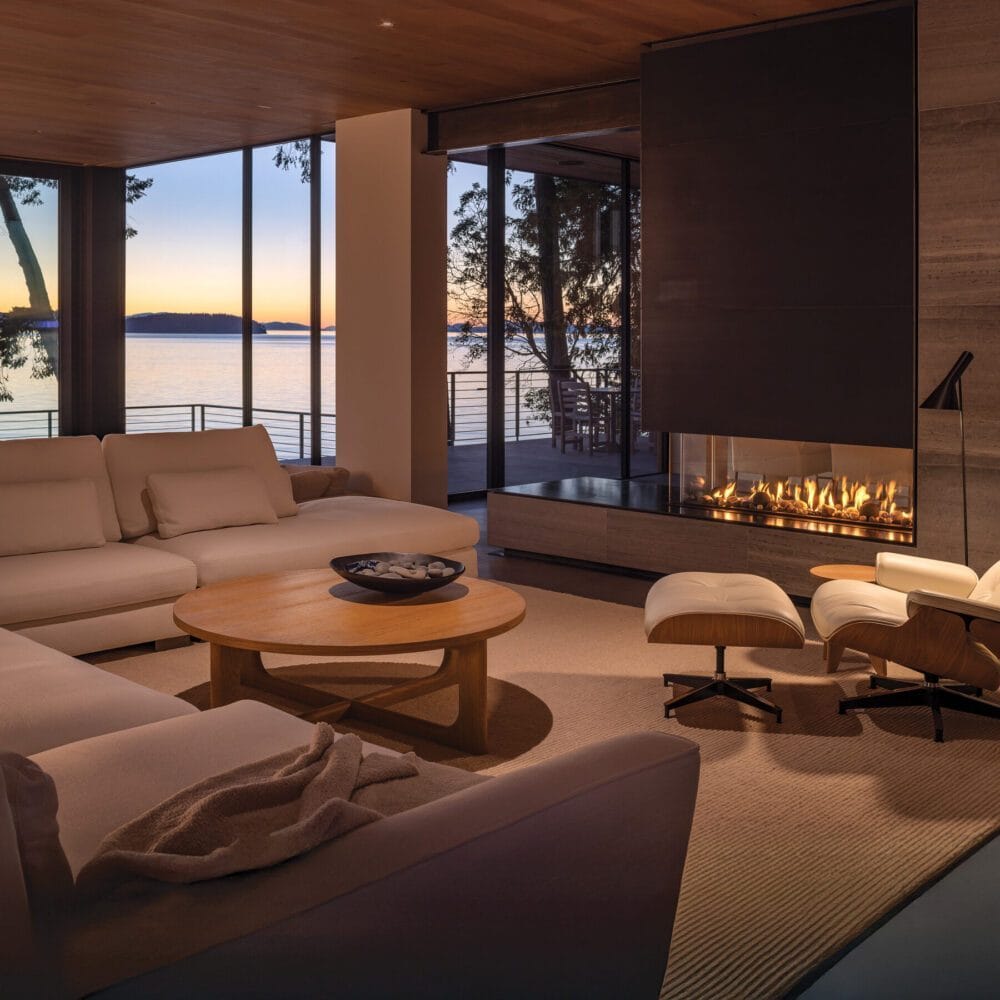
Whale Of A Remodel
The transformation of an Orcas Island home takes advantage of remarkable views
For many years, Apollo 8 astronaut Bill Anders entertained his Orcas Island neighbors with breathtaking acrobatics in his vintage airplane. Anders and his wife, Valerie, had purchased a five-acre compound on the isolated western edge of the island for its mesmerizing view, a subject he knew something about. As a member of the first human…
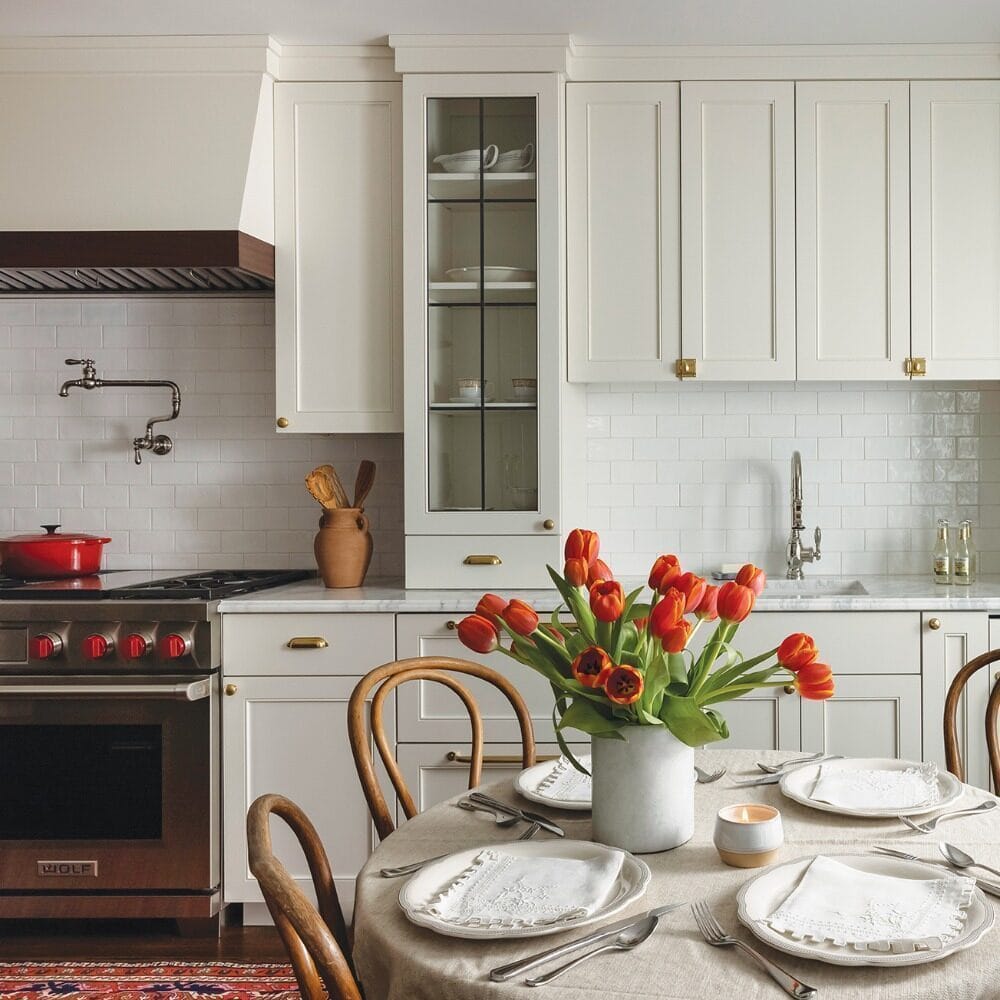
Underground Overhaul
Going low solves couple's woes
The Seattle underground is alive and well and living in Montlake, a close-knit community in more ways than one. Dense suburban charm is what lures many families to Montlake. Dense suburban charm is also what forces many families to leave Montlake. “The lots here are very small, with setback and height restrictions,” says architectural designer…
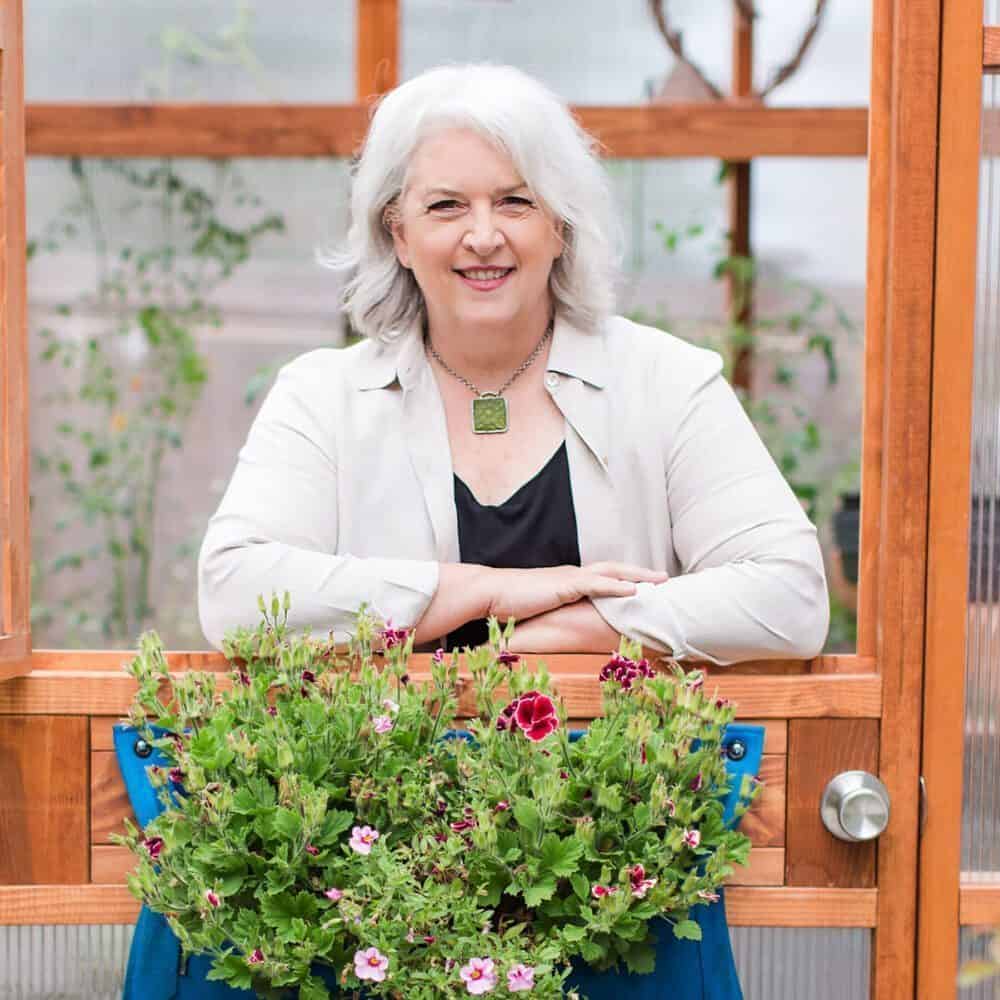
Not Flown, Grown: The Slow Flowers Movement is Having A Moment
New book — The Flower Farmers — promotes the use of locally grown, seasonal, and sustainably harvested flowers
A few years ago, Debra Prinzing — speaker, podcast host, outdoor living expert, and founder of Slow Flowers — and her business partner, Robin Avni, pitched an idea to an editor at Abrams Books. The editor passed, but quickly came back with another offer. They didn’t have to think twice about it. Prinzing had extensive…