
A Whale of a Splash
Whale watching boosts economy while balancing conservation challenges
By Carly Dykes August 28, 2024

Whale watching has become a controversial pastime. Erin Gless insists that it shouldn’t be that way.
Gless, executive director of the Pacific Whale Watch Association, is at the forefront of the region’s booming whale watching industry. The association represents 30 companies which depart from 24 locations in Washington state and British Columbia.
A report released earlier this year by consulting firm Martin Associates found that the overall economic impact of whale watching throughout the region is $216.9 million. In Washington state alone it’s $119.1 million. Overall, the regional industry supports almost 2,300 jobs and serves 400,000 guests annually. For nearly one-third of visitors, the primary purpose of a trip here is to participate in a whale watching tour.


But the industry also faces challenges as it navigates conservation concerns and shifting regulations. Gless says many whale watch operators see themselves as stewards of marine conservation, and disputes the notion that whale watching boats disturb marine wildlife.
“A lot of our companies donate to salmon restoration, research organizations, wildlife rehab centers,” Gless says. “We don’t tell companies where to donate, but you need to be giving back somehow.”
Those donations take various forms, from direct financial contributions, a small conservation fee added to ticket prices, or offering customers the option to round up their purchase to support environmental causes.
“The company I used to work for did a round-up, like when you go to a grocery store and it asks if you want to round up to the nearest dollar,” Gless says. “They do different methods, but our folks are really, really good about giving back.”
That spirit of environmental conservation extends to daily operations as well. PWWA members track what they call “sentinel actions,” or proactive measures taken during whale watching trips to protect marine life.
“When we see trash, we’ll stop and pick it up. If we see a boat zooming toward a whale, we’ll flag them down to get them to stop,” she adds. “We keep track of those things to show that while we’re out here, we’re being really respectful and responsible.”
Last year alone, PWWA members logged more than 1,200 such sentinel actions. Those efforts help counter criticism from some environmental groups who argue that whale watching could be harmful to marine mammals.
The industry has faced increased scrutiny and regulation in recent years, particularly around endangered Southern Resident killer whales. New rules implemented in 2019 require whale watching boats to stay at least a half mile away from those whales. The challenges, Gless notes, centers around public perception and media coverage.
One media report, for example, stated that all whale watching boats have to stay a half mile away from all whales, which is not true. It applies only to that one endangered population. Inaccurate reporting can have real economic impacts as potential customers get the wrong impression about whale watching opportunities.
“People reading those headlines will hear that and be like, ‘Oh no, I’ll take my money elsewhere,'” Gless says. “That’s the stuff that hurts us the most.”
Looking ahead, the industry hopes to position the Pacific Northwest as a global leader in responsible whale watching practices. With no federal regulations on whale watching in most U.S. waters, the Seattle area’s precautionary approach could serve as a model for sustainable marine tourism.
“Right now, we’re at that crossroads,” Gless says. “We want to make sure that people are choosing to go whale watching in places that do it responsibly. And right now, that is us.”
Follow Us

Hives Among the Headstones
Inside a north Seattle project reimagining cemeteries as sanctuaries for pollinators.
In many old stories, bees are more than just insects. They’re messengers—tiny intermediaries between the living and the dead. There was once even a custom in Europe and America known as “telling the bees:” When a family member died, or another significant life event occurred, someone would go to the hive to share the news….
Dispatches from Greenland, Part Two: Nuuk
An insider’s guide to Greenland’s mysterious, overlooked, and charming capital.
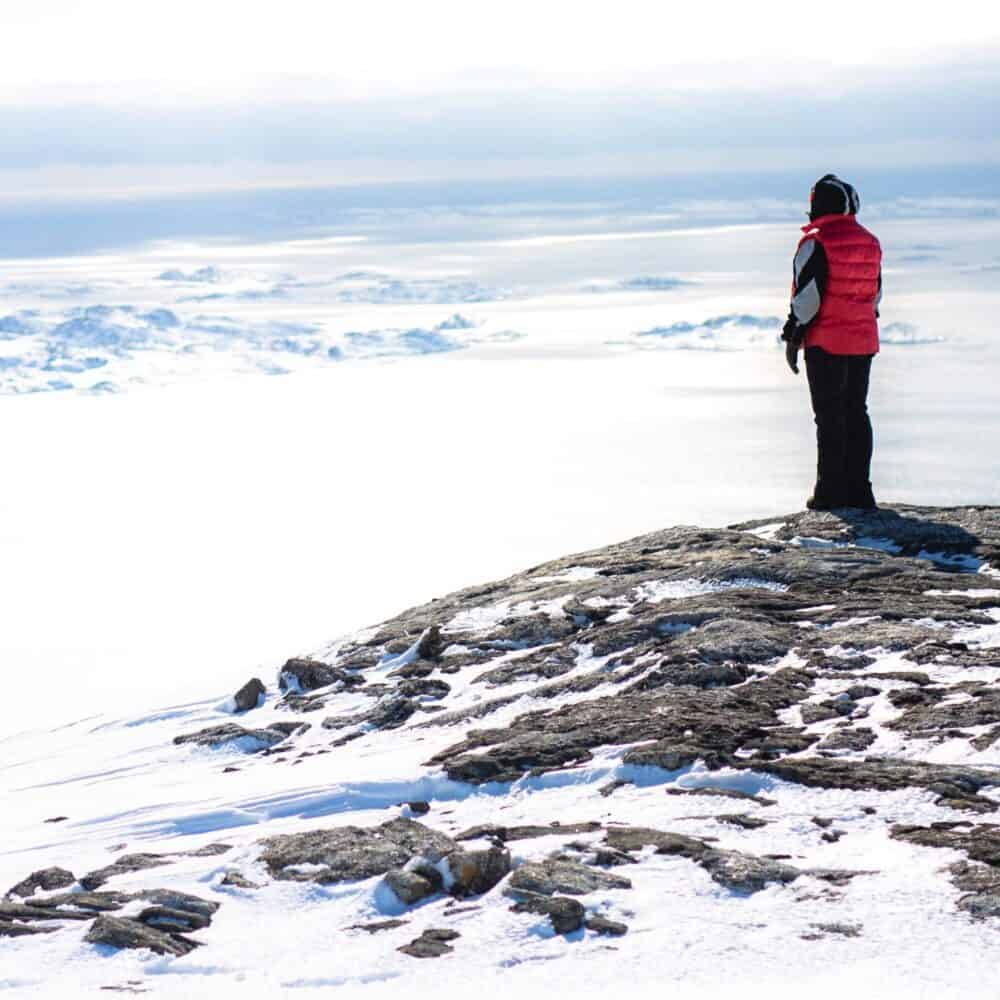
Greenland is too vast to take in all at once. Yet a few days in Nuuk—the island’s compact, curious capital, just a four-hour flight from Newark—offer a surprisingly complete portrait. Nuuk changes like the weather that shapes it: by turns wild and polished; intimate and bold. To Northerners, it feels as hectic as Manhattan; to…
Paddle Camping on a One-Acre Island
Posey Island in the San Juans is Washington State Parks’ smallest marine park, where seals, tide pools, and even orcas make appearances.
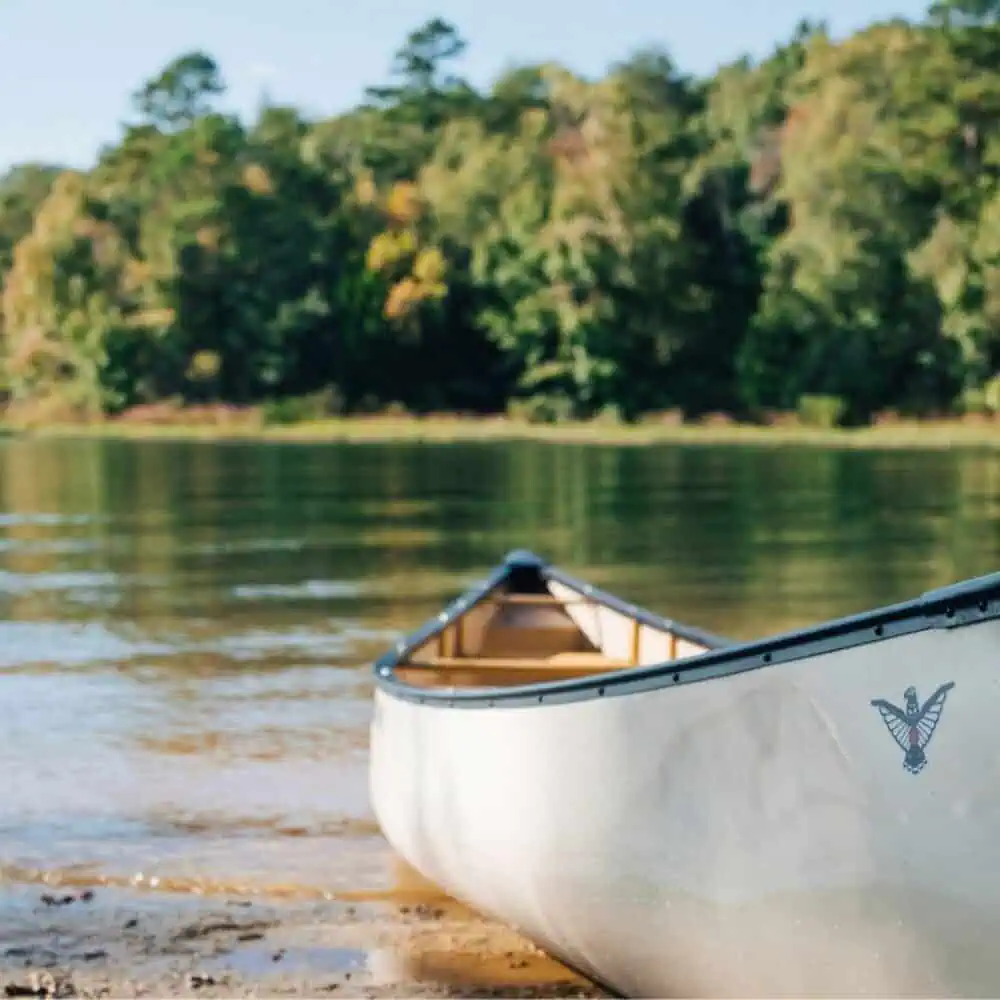
Stroke after stroke, we paddled further and further away from safety. Should we be here with our two precious kids, I thought as we headed out toward open water. As we rounded the corner it became clear and I let out a sigh of relief—yes, we can do this. Over Labor Day weekend, my wife…

Kayaking the Bioluminescent Waters of San Juan Island
Sea sparkles and glowing jellyfish turn a nighttime paddle into an unforgettable adventure.
Under the cover of darkness, our small pod of explorers expanded into the waters of Griffin Bay in search of glow-in-the-dark marine life. Home to noctiluca scintillans, or “sea sparkles,” the waters of the Salish Sea around San Juan Island were named in Lonely Planet’s 2024 list of best places for bioluminescent viewing in the…