
Best Camping Spots: Going Rogue
Car camping on out-of-the-way Forest Service Roads
By Seattle Mag December 31, 1969

This article originally appeared in the July 2010 issue of Seattle magazine.
For many of us, spending the night in a crowded car campground, even in a beautiful locale, feels like camping in a mall parking lot. Likewise, unless you’re an Ironman, backpacking miles and miles in for a little woodland solitude is out of the question.
The solution? Get out your gazetteer and find your own slice of car-camping heaven by searching for a private pullout along any of the thousands of miles of U.S. Forest Service roads—first cut for loggers but open to you and me—twisting through some of the state’s most beautiful natural areas.
The options are particularly rich throughout the Mount Baker–Snoqualmie (Forest Road 32) and Gifford Pinchot (Forest Roads 81 and 83) national forests. Any pullout in these otherwise narrow dirt roads can serve as a campsite, but the best ones get you off the main road and into small clearings. Finding the perfect spot—and getting there before someone else—is part of the adventure. It’s an especially nice way to camp near Mount St. Helens, where the options are otherwise limited.
While it may be called “outlaw” camping—and indeed you could disappear for a long time out there in the seemingly random zigzag of dirt roads—nothing about it is illegal. We the people own our national forests and have paid for the dirt logging roads that bisect them. Another perk of going out on your own is the price: Besides the cost of the Northwest Forest Pass required to park in national forest parking lots and trailheads ($5/day or $30/year), outlaw camping is gratis.
Of course, all this freedom comes at a cost. You won’t have the safety net of other people around—let alone an amiable camp host with a trailer full of firewood—so be sure to go prepared for any contingency, and avoid all such areas in winter when snow can make already sketchy roads impassable.
Originally published in July 2010
Follow Us
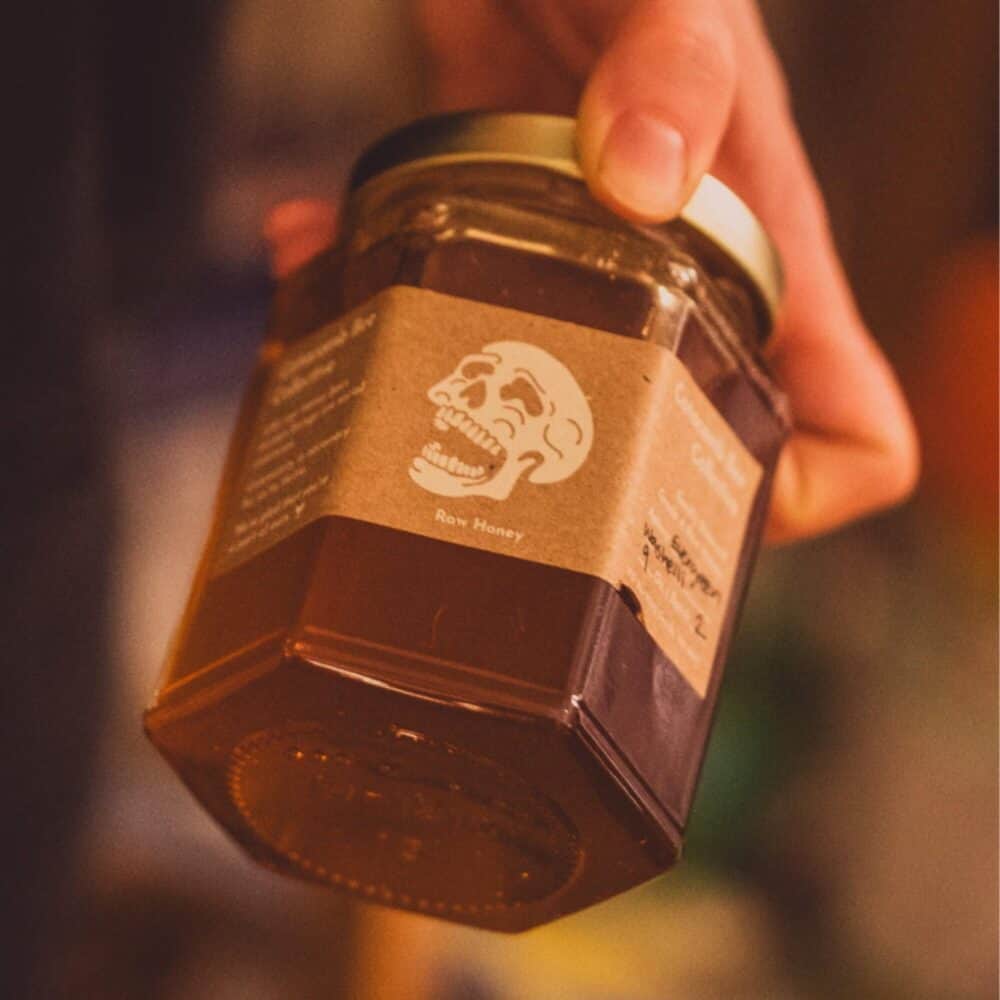
Hives Among the Headstones
Inside a north Seattle project reimagining cemeteries as sanctuaries for pollinators.
In many old stories, bees are more than just insects. They’re messengers—tiny intermediaries between the living and the dead. There was once even a custom in Europe and America known as “telling the bees:” When a family member died, or another significant life event occurred, someone would go to the hive to share the news….
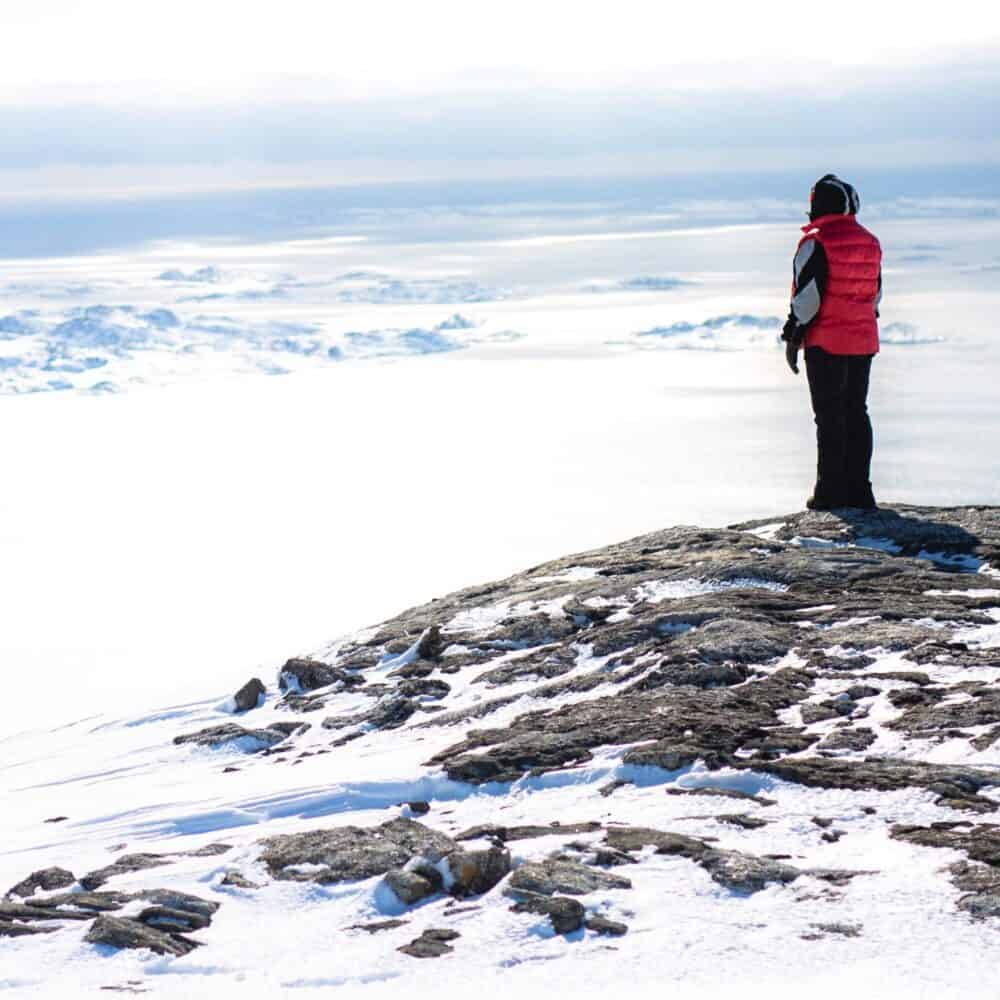
Dispatches from Greenland, Part Two: Nuuk
An insider’s guide to Greenland’s mysterious, overlooked, and charming capital.
Greenland is too vast to take in all at once. Yet a few days in Nuuk—the island’s compact, curious capital, just a four-hour flight from Newark—offer a surprisingly complete portrait. Nuuk changes like the weather that shapes it: by turns wild and polished; intimate and bold. To Northerners, it feels as hectic as Manhattan; to…
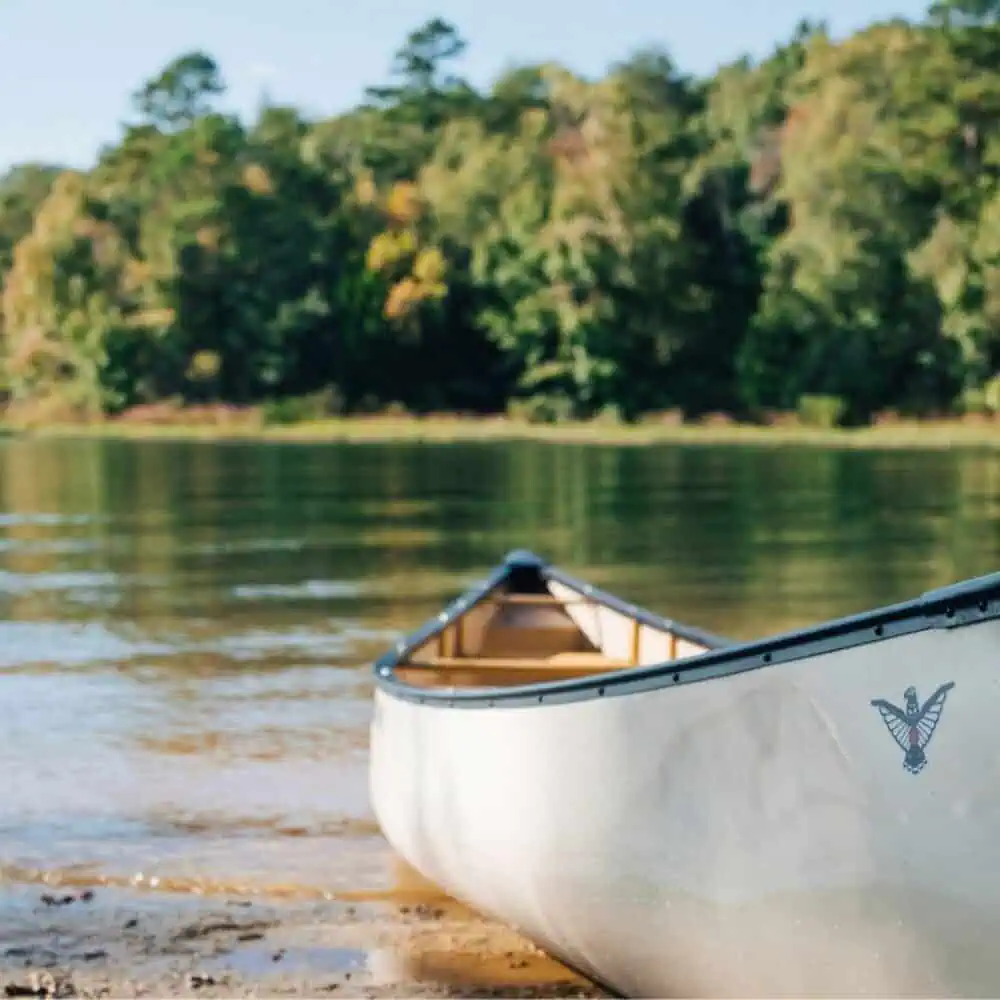
Paddle Camping on a One-Acre Island
Posey Island in the San Juans is Washington State Parks’ smallest marine park, where seals, tide pools, and even orcas make appearances.
Stroke after stroke, we paddled further and further away from safety. Should we be here with our two precious kids, I thought as we headed out toward open water. As we rounded the corner it became clear and I let out a sigh of relief—yes, we can do this. Over Labor Day weekend, my wife…

Kayaking the Bioluminescent Waters of San Juan Island
Sea sparkles and glowing jellyfish turn a nighttime paddle into an unforgettable adventure.
Under the cover of darkness, our small pod of explorers expanded into the waters of Griffin Bay in search of glow-in-the-dark marine life. Home to noctiluca scintillans, or “sea sparkles,” the waters of the Salish Sea around San Juan Island were named in Lonely Planet’s 2024 list of best places for bioluminescent viewing in the…