
Tools Of The Trade
THE STORY OF LLOYD LOVEGREN AND THE ICONIC MOUNT BAKER TUNNEL
By Brad Holden October 26, 2023

This article originally appeared in the September/October 2023 issue of Seattle magazine.
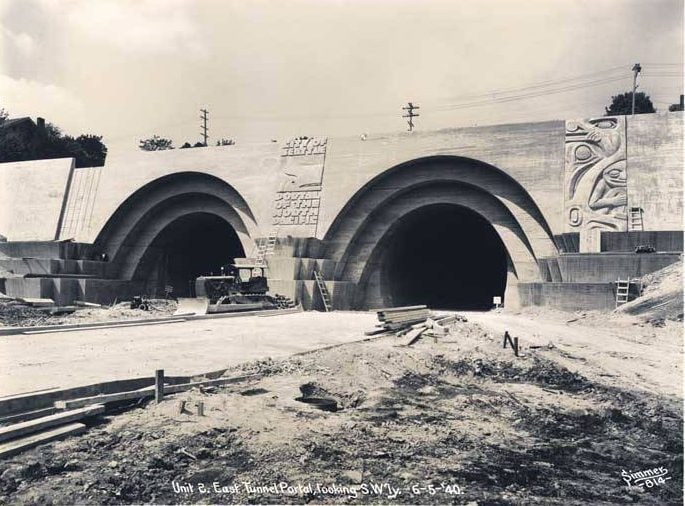
Long-time residents will recall driving westbound on the I-90 floating bridge and seeing those massive concrete portals just before entering the Mount Baker tunnel. The iconic façade welcomes those about to pass through the tunnel with the phrase, “City of Seattle Portal of the North Pacific,” shown prominently in the middle and three relief panels with Native American imagery on either side.
Unfortunately, parts of the indigenous-meets-modern tunnel art were effectively removed during modifications to the bridge in the early 1990s, though the bold and stunning work remains an official city of Seattle landmark.
The creative mind behind those portals was a local architect by the name of Lloyd Lovegren, whose prolific work left an indelible mark on the local landscape. I was first made aware of Lovegren’s work when his great-granddaughter reached out to me. She was preparing to go through some of his old belongings and, hoping to have a local historian on hand, asked if I would be interested in joining her. It was an easy yes for me, though some quick research was in order to learn more about his life’s work.
Born in 1906, Lloyd Lovegren grew up during a time when some of Seattle’s most well-known building projects were underway: the King Street Station that was completed in 1906; the Smith Tower, completed in 1914; and the massive Lake Washington Ship Canal project, which began in 1911. It was an exciting time for the young city, and Lovegren’s future career path was almost certainly influenced by all the architectural changes taking place around him.
Lovegren studied architecture and design at the University of Washington, as well as the Beaux-Arts Institute of Design in New York City. After college, he worked under Joseph S. Cote — the lead architect behind Swedish Hospital. Upon completion of his apprenticeship, Lovegren was hired as a draftsman for the Seattle Parks Department, where he personally designed the Laurelhurst Field House. In the 1930s, he began working as a bridge architect for the Washington State Highway Department. It was during this employment that he designed many important projects, including the famous tunnel portals as well as some additional toll buildings that were once in use on the bridge.
During the 1940s, Lovegren accepted a position in Honolulu, Hawaii, as the head architect for the Pacific Naval Air Bases at Pearl Harbor, and was there during the infamous attack on Dec. 7, 1941. He eventually returned here and worked on some high-profile projects for Washington State University, including Kruegel-McAllister Hall. He also designed Auburn Elementary School.
Some of his more interesting work took place when he was hired by famous restaurateur, Victor Bergeron, to design a new chain of Polynesian-themed restaurants called Trader Vic’s. Characterized by colorful rum cocktails, rattan furniture, flaming torches, and brightly colored fabrics that were evocative of the South Pacific, Trader Vic’s helped to usher in the Tiki craze of the 1950s. The project required architectural work, as well as some interior design, so Lovegren recruited the help of his wife, Grace, who was an accomplished wood carver and multimedia artist.
The married couple pooled their talents together in order to design this exciting new dining and drinking establishment, and while not intentional, their collaborative work would help define the aesthetics of Tiki culture. Thanks to their combined efforts, the first Trader Vic’s opened in Denver in 1954, followed by other openings in Chicago, Victoria, B.C., New York City, Havana, and Seattle.
The following decade was perhaps the most prolific era of Lovegren’s career, with several impressive projects including Bellevue’s Overlake Hospital and the Seattle Ferry Terminal, both of which were completed during the 1960s. He was directly involved in the redevelopment of downtown Seattle and was also a consultant for the Portage Bay Viaduct. In 1970, Lovegren established his own architectural firm and continued working until his retirement in the mid-80s. He passed away on July 29, 1989.
Confident that I had a somewhat satisfactory knowledge of Lovegren’s impressive résumé, I felt ready for the task at hand and met his great-granddaughter, Ona Lee Weatherford, to go through some of his treasured belongings. Much of the Lovegren family tree is composed of various creative types and Ona — an accomplished chef, farmer, and homesteader — is no exception.
A warm and welcoming person with a deep love of her familial roots, Ona was the perfect host for such an endeavor as she was able to provide valuable background information on various items, as well as share related family stories. “Lloyd’s work was very present in my life at all times,” she tells me. “I remember seeing his drawings of the original floating bridge designs as a child and it striking awe in me.”
Each we opened box revealed a different chapter from Lovegren’s accomplished life. Some contained old blueprints and a handsome array of architectural tools that had been used for various projects, while other boxes held awards and plaques earned throughout his career. We also uncovered a stunning collection of photographs that collectively told his story — everything from a 3-year-old Lovegren and his parents at the 1909 Alaska Yukon Pacific Exposition, to an adult Lovegren proudly standing next to some of his buildings. The most exciting finds were from his work with Trader Vic’s, including some Polynesian-style wood panels that had been hand-carved by Grace.
In talking to Ona, it is clear that Lovegren’s shadow continues to loom large over the family. “My father was named after him, and my son Lloyd is named after them both.” This connection is further boosted by Lovegren’s lasting architectural legacy. She recalls seeing his work during childhood car trips with her family.
“Every time we drove home from spending time with my mother’s family in eastern Washington, we would pass through the portals and felt a deep sense of connection to Washington state as a whole.” Indeed, from the college halls he designed in Pullman to the ferry terminal on Seattle’s waterfront, Lovegren’s legacy is a gift to us all.
Follow Us
Malala Yousafzai Returns to Herself
The youngest Nobel Peace Prize winner reflects on college, identity, and what it means to reclaim her story in her new memoir.
Malala Yousafzai’s life was upended at the age of 15 in Pakistan when she was shot on a school bus by the Taliban for speaking out about girls’ education. She was treated for life-threatening injuries and recovered in the United Kingdom, where her family permanently relocated. Catapulted into the public spotlight at a tender age,…
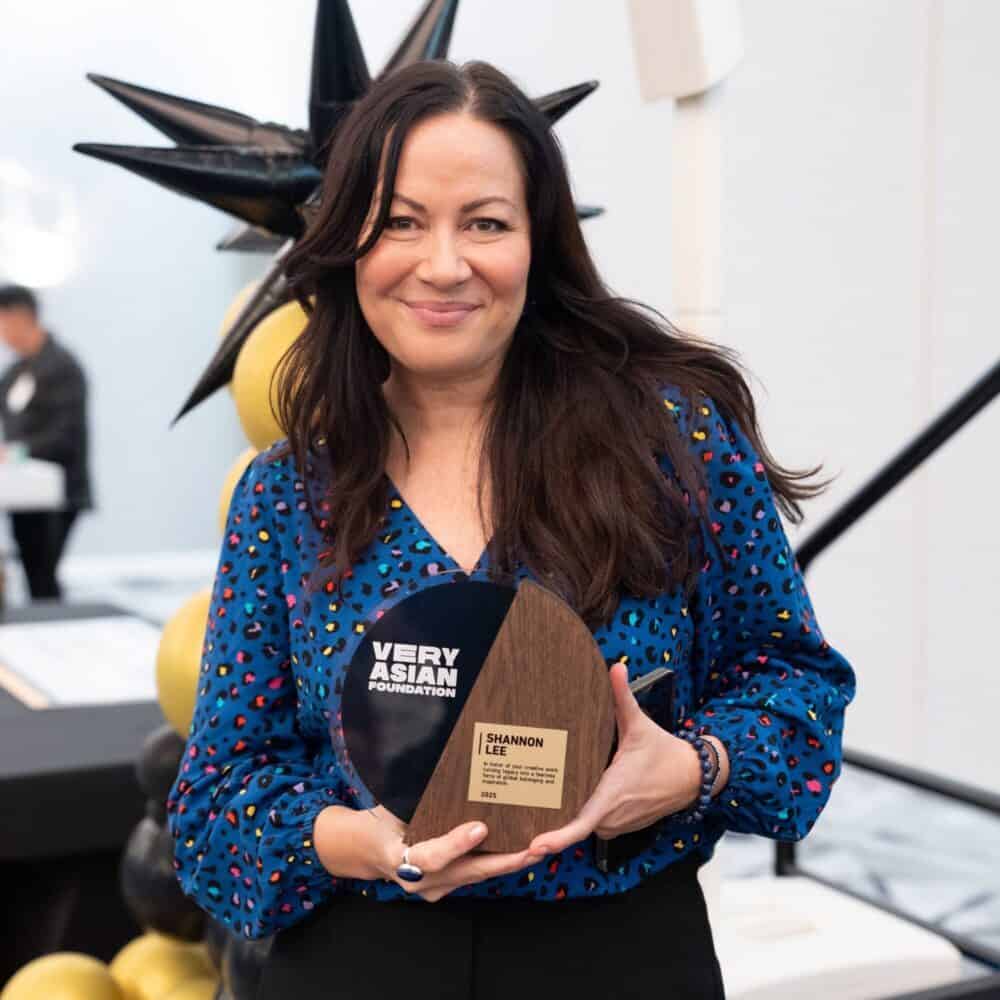
Carrying the Legacy Forward
Shannon Lee is recognized at the Very Asian Foundation's gala in Bellevue for her work in preserving her father Bruce Lee’s cultural impact.
For film and martial arts icon Bruce Lee, before there was Fist of Fury or Enter the Dragon, there was The Big Boss. The film marked Lee’s 1971 big-screen breakout role. He would tragically die two years later in May of 1973 from a cerebral edema. Now, 52 years later, Lee’s daughter, Shannon Lee, is…
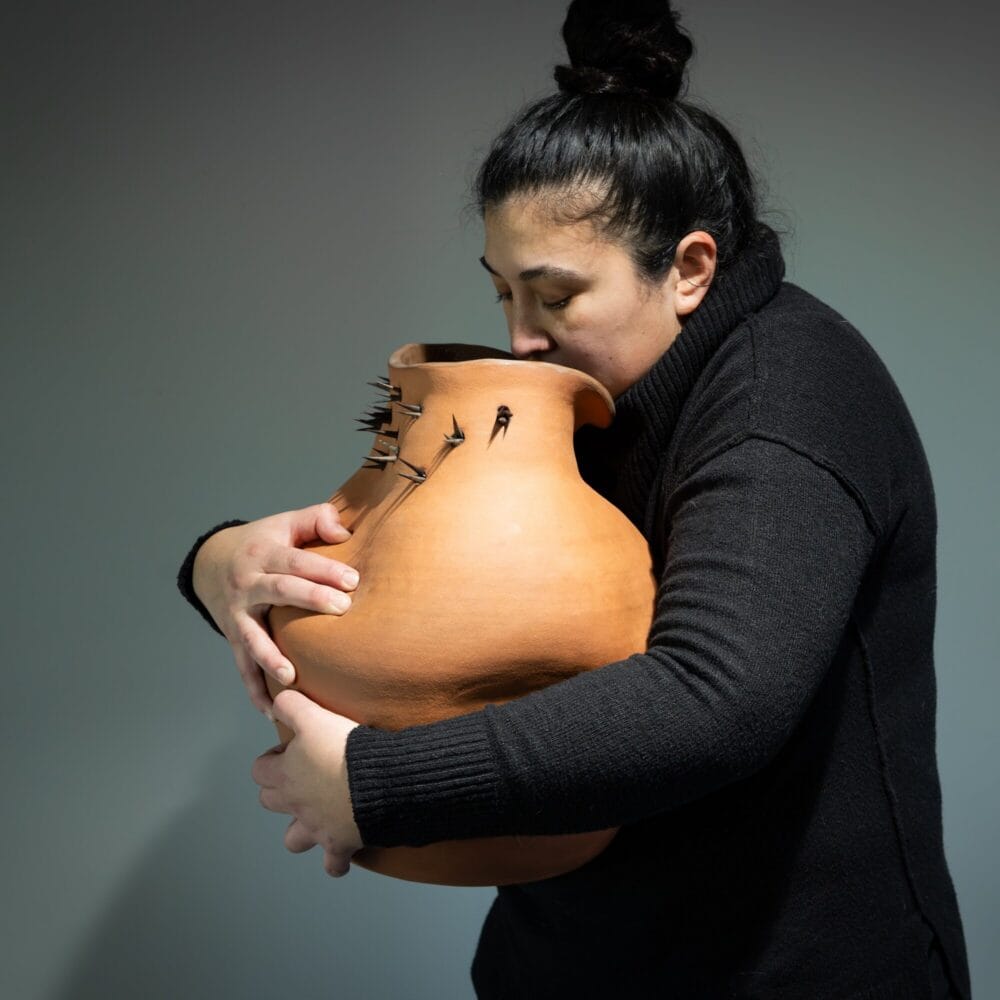
Tracing Lineage
Glass, fiber, and clay become vessels of cultural memory in Priscilla Dobler Dzul’s museum debut at the Frye.
For the past decade, Tacoma artist Priscilla Dobler Dzul has been steadily gaining the attention of the Seattle art world. From a solo show at the now defunct Mad Art in South Lake Union to winning the Neddy Award in 2022, Dobler Dzul’s career has continued to blossom. Water Carries the Stories of our Stars,…
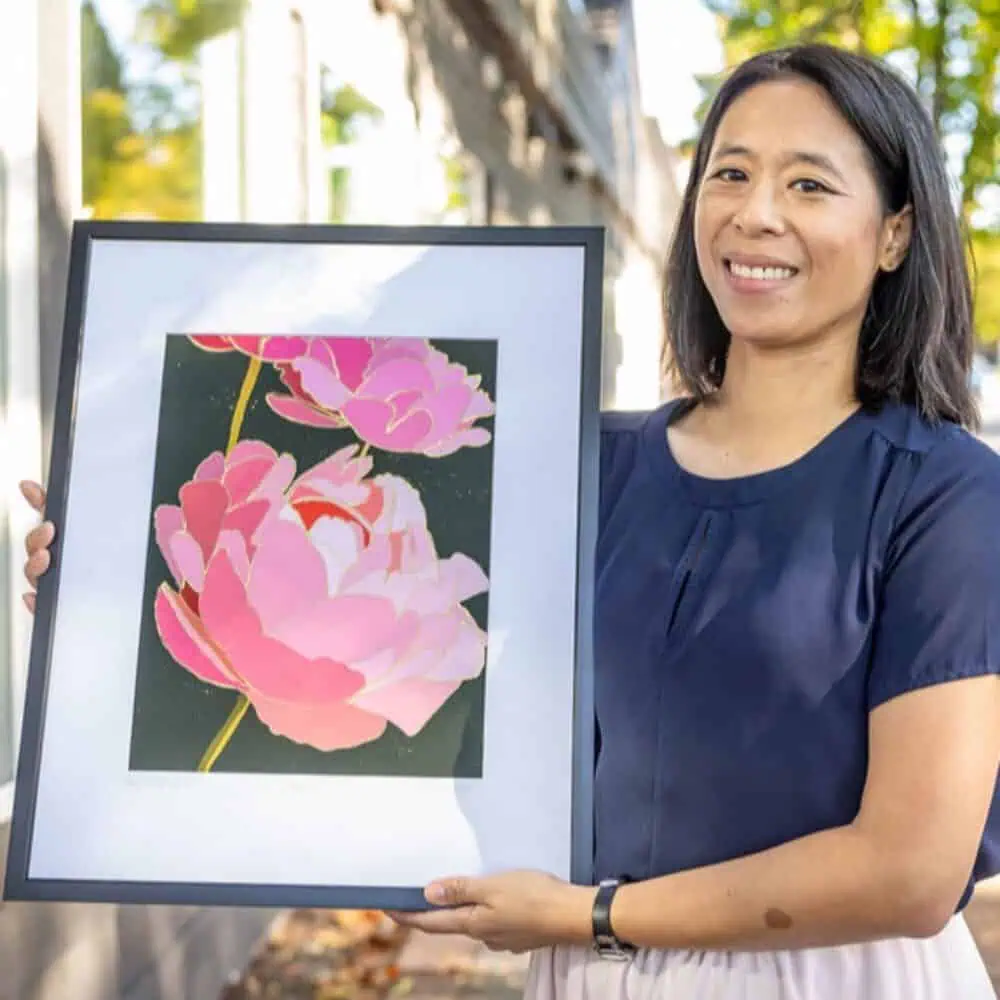
Flowers Light Up Lake City
Artist Kimberly Chan’s digital florals bring a little warmth to Seattle’s gray season.
On a stretch of Lake City Way lined with bus stops and small businesses, one bright window refuses to fade into the background. Inside, artist Kimberly Chan’s digital florals bloom behind the glass—oversized peonies, tulips, and peach blossoms. The five-month installation is part of Seattle Restored, a city initiative that transforms unused storefronts into art…